
Items
Search full-text
“Activism leads to a Disability Royal Commission”
-
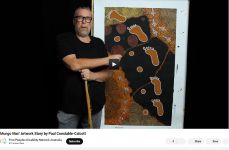 "NuunaRon Art Group - ‘Mungo Man’ Artwork Story by Paul Constable-Calcott" ‘Mungo Man’ Artwork Story by Paul Constable-Calcott - reads, in part "The 'Culture is Inclusion' art exhibition showcases art work by the NuunaRon First Nations art group, with a lived experience of disability, telling their stories of resilience and strength through connecting to their culture"
-
 "Australia Council - Access and audience development in Australia" Australia Council - 'Access and audience development in Australia' reports - reads, in part "These reports were commissioned in 2004 to assess what is currently being done, and what needs to be done, to increase access to the performing arts and museums & galleries in Australia for people with a disability."
-
 "Writeability website, captured 2015" Webpage reads, in part "Write-ability aims to support writers with disability wishing to develop their skills and writing careers. Our projects and activities change every year and can include workshops, writing groups and performances. In 2015 Melbourne writers with disability can join us for our fortnightly Write-ability Writers Group sessions from 1-3pm on the following dates. Please book one or more sessions."
-
 "Writeability website, captured 2018" Webpage reads, in part "Write-ability aims to remove some of the barriers that have traditionally prevented people with disability from connecting with writing and publishing. It provides tools and information to support people with disability who want to tell their own stories in their own way. The Write-ability ethos has been based on the importance of self-told stories, disability-leadership and peer support, and the creation of opportunities for even the quietest voices to be heard."
-
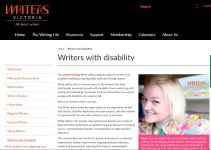 "Writeability website, captured 2019" Webpage reads, in part "Write-ability aims to remove some of the barriers that have traditionally prevented people with disability from connecting with writing and publishing. It provides tools and information to support people with disability who want to tell their own stories in their own way. The Write-ability ethos has been based on the importance of self-told stories, disability-leadership and peer support, and the creation of opportunities for even the quietest voices to be heard."
-
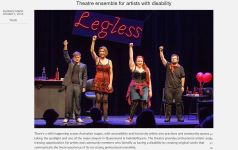 "Indelability Arts - Theatre Ensemble for Artists With Disability" News article by Kymberly Martin in Freedom2Live reads, in part, "The company, founded in 2015 by Rebecca Alexander and Catarina Hebbard, was inspired by local and international trailblazers and identified a gap within the creative sector for students with disabilities interested in pursuing a career in the arts after leaving school."
-
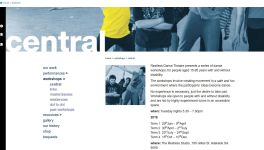 "Restless Dance - Central Workshop" Restless Dance Theatre website, 'Central Workshop,' captured 2020 – reads, in part, "Restless Dance Theatre presents a series of dance workshops, for people aged 15-26 years with and without disability. The workshops involve creating movement in a safe and fun environment where the participants’ ideas become dance. No experience is necessary, just the desire to take part. Workshops are open to people with and without disability and are led by highly experienced tutors in an accessible space."
-
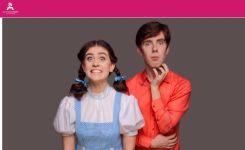 "Accessible Arts - Creative Initiatives, captured 2022" Accessible Arts - Creative Initiatives - reads, in part "The unique perspectives and experiences of artists with disability – as well as the intersection of cultural identities across all types of disability – present exciting avenues for new artistic possibilities right across the spectrum of visual, performing, literary, screen and digital arts. We’re here to work with arts and cultural organisations, government agencies and other funding partners to deliver creative initiatives focused on providing development and production opportunities for all kinds of artists with disability or who are d/Deaf."
-
 "House Gang - IMDB" Reads, in part "House Gang is an energetic and irreverent domestic comedy with a naughty sense of fun. Featuring three remarkable young actors, each with an intellectual disability, it takes an unconventional look at "family" in the 90s. Above all else House Gang celebrates diversity-you don't need to have a disability to be challenged by the problems of modern life. And being "normal" doesn't give us sole rights on love, sex, ambition, or laughter."
- Mary Hutchison
-
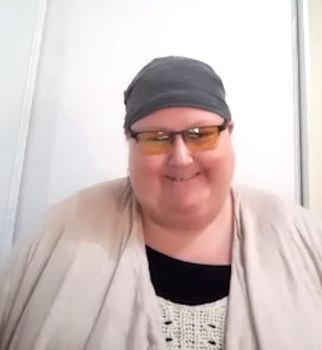 "Interview with Joanne Braddy" Joanne Braddy is a disability Advocate with lived experience and creates honest and insightful work about her experiences of anxiety and depression, as a way of breaking down stigmas that stand in the way of healing through painting, drawing, and ceramics to create emotive self-portraits. Interview Summary Joanne is an Australian visual artist with a 15-year career. She began creating art as an outlet for her mental health struggles and her work, which encompasses drawings, paintings, sculptures, and poetry, helps others by bringing awareness to mental health issues. Joanne finds a lack of accessibility with literacy and industry understanding but she remains motivated to exhibit her work and reduce mental health stigma, expressing the need for a supportive gallery to represent her. Despite these challenges, she aspires to have her substantial body of work seen more broadly and possibly go on tour, with the help of a mentor to guide her through the complexity of the art industry.
-
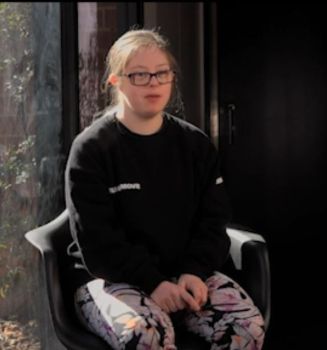 "Interview with Darcy Carpenter" Darcy Carpenter is a professional dancer and has performed with Restless Dance Theatre since 2014. Interview Summary: Darcy is a professional dancer with a family history in dance, who works with Restless Dance Theatre and has worked with the Riverland Youth Theatre. Darcy expressed her passion for dance and acting, mentioning her desire to share emotional experiences with her audience and her personal growth as an artist through the support of Restless Dance Theatre organisation. Throughout the interview, Darcy’s pride as a third-generation dancer shone through, along with her aspirations to continue developing her artistry.
-
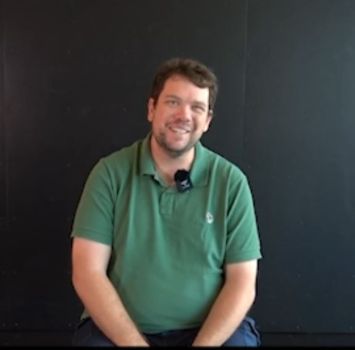 "Interview with Martin Edge" Martin Edge is a visual artist whose colourful paintings depict everyday life Interview Summary Martin Edge, an artist and ambassador for Autism Queensland, has experienced a significant journey in disability arts, culminating in representation by prominent galleries and inclusion in major collections. Since starting his painting career accidentally in a TAFE course, Martin's technique has evolved from using primary colours to creating a unique palette with mixed hues, resulting in more detailed and refined works. People have responded positively to his vibrant and hopeful art, which he enjoys sharing to bring joy to others. Martin looks up to artist Ken Done, admiring Done's vivid use of colour and his contributions to Australian art even into his 80s.
-
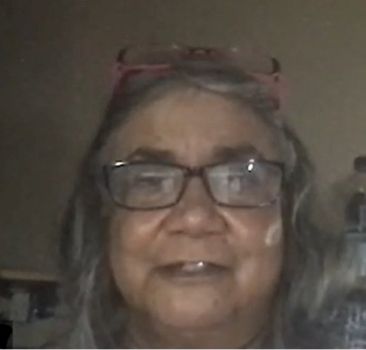 "Interview with Gayle Kennedy"
-
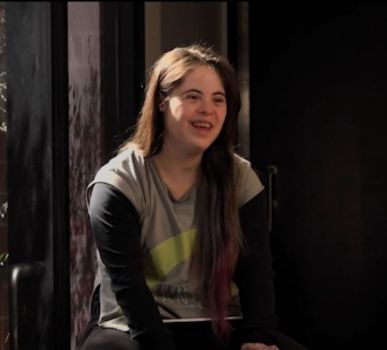 "Interview with Jianna Georgiou" Jianna Georgiou is a professional dancer, director and choreographer and has been with Restless Dance since 2006. Interview Summary Jianna Georgiou, who has Italian and Cypriot heritage, shared her journey as a dancer. She expressed her aspirations to collaborate with friends from other dance companies and emphasized her desire to continue her path with Restless Dance Theatre. Jianna’s determination remains strong, fuelled by her goal to perform and the emotional connection she feels through dance. She hopes to explore various dance styles, including hip-hop, which currently resonates with her, and she is motivated by the creative and energetic environment at Restless Dance Theatre.
-
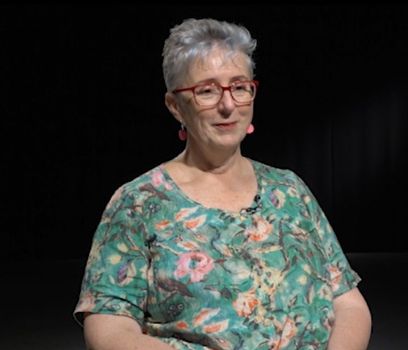 "Interview with Jenny Simpson" Jenny is CEO and Artistic Director of AWESOME Arts Australia while also a Musical Director of the Mighty Camelot Community Choir and a Sessional Academic at the Western Australian Academy of Performing Arts at Edith Cowan University. Interview Summary Jenny Simpson is the CEO and Artistic Director of AWESOME Arts Australia. She grew up in a musical family and always had an interest in the arts. After working in the corporate world, she decided to pursue a role in the arts to make a difference in the community. She has since focused on engaging young people with disabilities in the arts, and has worked on projects and festivals that promote inclusivity and accessibility. She believes that the perception of disability arts is changing and hopes to see more individuals with disabilities involved in arts management.
-
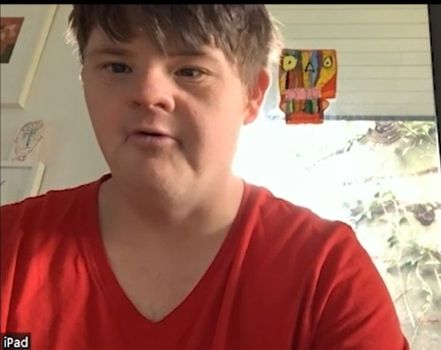 "Interview with Digby Webster" Digby Webster is a visual artist working with the mediums of oil pastels and acrylics and is also a performer, designer and co-founding member of past performance ensemble Ruckus Ensemble. Interview Summary Digby Webster is an artist with a wide range of creative talents, including theater, dance, animation, and mural painting. He has worked on various projects, including an animated short film called "Blockhead and Sparkles," and has had his artwork displayed in places like the Sydney Olympic Park and Vivid Sydney. Digby does not define himself by his disability and takes pride in the various creative endeavors he's involved in, aiming to have his art reach people in meaningful ways outside traditional galleries. In the future, he is interested in exploring fashion, designing artwork for clothing, and he hopes to see more people wearing his art.
-
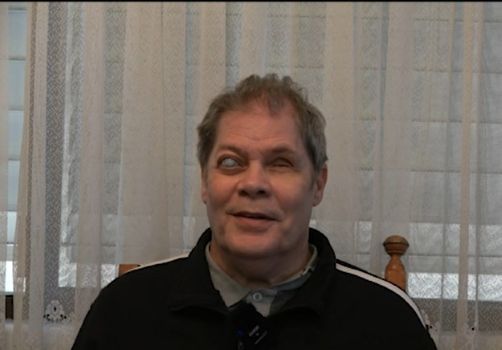 "Interview with Jeff Usher" Jeff Usher is a jazz and blues composer, arranger, pianist, vocalist, teacher, lecturer, and music consultant. Interview Summary Jeff Usher is a visually impaired Australian jazz musician with a rich history of playing music since childhood, influenced by a significant early encounter with the Jazz Action Society and key individuals like his high school music teacher Kathleen Kerr and his supportive family. Throughout his career, he has worked with a diverse range of musicians across many genres, including country, rock, and church music, and has expanded his repertoire to include political and spiritual themes, often infused with his synaesthetic experience of colour. Despite a broad professional experience, his engagement with the disability arts space developed over time, particularly through collaboration with other disabled artists, and he values working with good artists regardless of their backgrounds or disabilities. He is deeply committed to his craft, finding a balance between the aesthetic quality of his work and the joy it brings, both to himself and his audiences.
-
 "Interview with Michael Noble" Michael Noble is a professional dancer and performer and has been with Restless Dance Theatre since 2015. Interview Summary Michael Noble is an ex-foster kid turned contemporary dancer at Restless Dance Theatre, who started in arts as an outlet for expression. His dance style has evolved from literal interpretations to more abstract movements, as Restless has supported his growth and mental health needs. Being in a company that accommodates artists with disabilities has led Michael to explore his own neurodivergence, specifically relating to being on the autism spectrum. He believes art, including the political, is less about the message itself and more about being the messenger for another's vision or interpreting and sharing one's own perspectives.
-
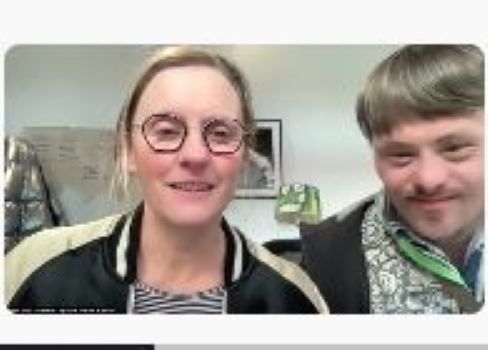 "Interview with Luke Cambpell and Kelly Drummond Cawthon" Luke Campbell is a theatre performer, writer and director and has been with Second Echo since 2015. Interview Summary In the interview Luke Campbell and Kelly Drummond Cawthon from Second Echo Ensemble share insights into their creative processes and the significance of their work. Luke, a core artist for the ensemble, emphasizes the role of deep listening and communication in his art, comparing his work to a meditative exploration of sound and connection, akin to the themes in the movie "Avatar." Kelly, as the ensemble's creative director, highlights the importance of presenting their work across diverse platforms to reach broader audiences and foster inclusive discussions. Throughout the conversation, they express views on the challenges and perceptions surrounding disability arts, advocating for recognition of diverse voices and stories in the arts community.
-
 "Arts Disability Technology Library Program" Library access, equity, inclusion, and anti-discrimination seminar and presentation sessions
-
 "High Beam Festival Program 2004" High Beam Festival Program 2004 reads "Welcome to evolve High Beam 2004 – A stimulating and inspiring seven-day cultural experience for people with a disability, families, friends and support workers, artists with a disability, professionals working in the disability sector, art workers and others."
-
 "Access Arts Moving Matters Workshops" Access Arts Moving Matters Workshops, with Monique de Goey, flyer reads "These workshops are designed to develop body awareness, creativity, self expression, imagination and play through participation in visual arts and movement based activities."
-
 "Accessible Arts - ACE Arts Creativity Expression - Helen Connors - Article: Why Do All The Bad Guys Have A Disability - Iss17, 1997, Pg11-13" Accessible Arts - ACE Arts Creativity Expression - Helen Connors - Article: Why Do All The Bad Guys Have A Disability - Iss17, 1997, Pg11-13
-
 "Accessible Arts - ACE Arts Creativity Expression - Juliet London - Article: Artwise -1994 - Iss9, Pg22-23" Accessible Arts - ACE Arts Creativity Expression - Juliet London - Article: Artwise -1994 - Iss9, Pg22-23 - reads, in part "Artwise, a Lismore-based artists' initiative catering for the needs of artists with varying intellectual and physical challenges, has changed its name! We have succeeded, after twelve months, in becoming officially incorporated. We are now known as Growth Through Art Artwise the Lismore Inc., although the company sign at the doorway still proudly announces simply Artwise."