
Items
Search full-text
“Handicapped Persons Assistance Act 1974”
-
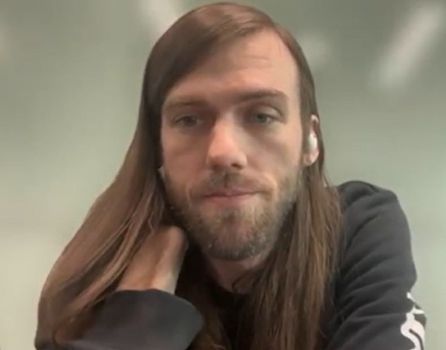 "Interview with Daniel Savage" Daniel Savage is an artist and disability advocate working in mediums of photography, video and performance. Interview Summary: Daniel discussed his background as a disabled contemporary artist primarily focused on photography, with additional interests in video and performance. Daniel detailed the journey through his artistic career, highlighting significant experiences such as art school education, early influences, and the impact of acquiring a disability. He also explored the evolution of his style and interests, particularly his shift towards digital technology and his involvement in advocacy for accessibility in the arts. Daniel also shared his perspectives on the challenges and achievements within the disability arts scene in Australia, including public awareness and integration with contemporary art.
 -
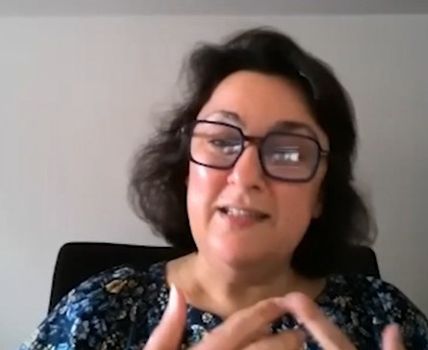 "Interview with Veronica Pardo" Veronica Pardo is a disability arts ally and has been a disability advocate with previous leadership positions in organisations such as Arts Access Victoria and Multicultural Arts Victoria, Interview Summary Veronica Pardo, former Executive Director of Arts Access Victoria, discussed the evolution and impact of Disability Arts in Australia, detailing the political dimensions of the field and the importance of genuine representation and intersectionality. Pardo highlighted the importance of leadership transitions in arts organizations informed by a spirit of solidarity and mutual support, particularly citing Caroline Bowditch's role as significant in the sector. She emphasized a need for systems-level change within the arts to reflect true diversity, beyond tokenism, advocating for dismantling exclusive structures and creating new ones informed by those marginalized. Finally, Pardo stressed the importance of acknowledging the work of predecessors in Disability Arts to honour their legacy and inform current artistic and cultural practices.
 -
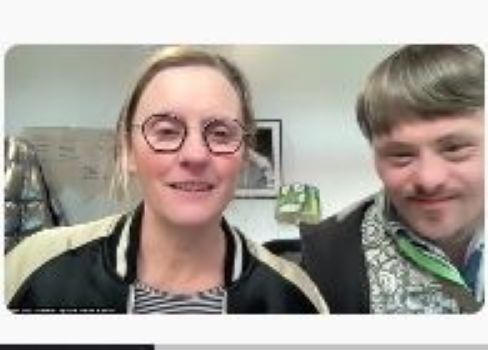 "Interview with Luke Cambpell and Kelly Drummond Cawthon" Luke Campbell is a theatre performer, writer and director and has been with Second Echo since 2015. Interview Summary In the interview Luke Campbell and Kelly Drummond Cawthon from Second Echo Ensemble share insights into their creative processes and the significance of their work. Luke, a core artist for the ensemble, emphasizes the role of deep listening and communication in his art, comparing his work to a meditative exploration of sound and connection, akin to the themes in the movie "Avatar." Kelly, as the ensemble's creative director, highlights the importance of presenting their work across diverse platforms to reach broader audiences and foster inclusive discussions. Throughout the conversation, they express views on the challenges and perceptions surrounding disability arts, advocating for recognition of diverse voices and stories in the arts community.
 -
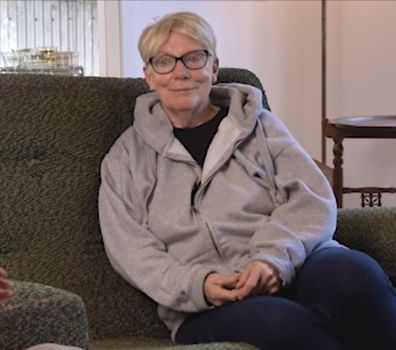 "Interview with Pat Rix" Pat Rix is a Disability Ally and Social Change advocate, and the recently retired Founder and CEO of TUTTI ARTS Incorporated. Interview Summary Pat Rix is an Artistic Director who has made extraordinary and sustained contributions to Australia’s cultural life through her artistic practice and leadership. A significant arts contributor since 1985, Pat made her early mark through plays and music-theatre productions which drew attention to social injustice and championed social inclusion. Her journey in disability arts began in 1997 with the formation of an inclusive choir at Minda Inc. which in 2001 incorporated to become the independent multi arts organisation known as ‘Tutti’ - embodying the inclusive Italian term meaning ‘everyone’. At a time when there were no vocational pathways for learning disabled and neuro divergent people, Tutti became a national trailblazer in creating a work environment where learning disabled and neuro diverse artists could create visual art, theatre, music, film and experimental art in a way that authentically nurtured their professional growth and recognition. Pat stresses the importance of disabled artists having control over their work. She believes that art is inherently political, and that it is finding your voice, being heard and being taken seriously that contributes to any artist's success. Pat looks forward to the future evolution of disability arts and the role of technology in enabling disabled artists to develop local and global partnerships which continue to provide exciting opportunities for artistic development.
 -
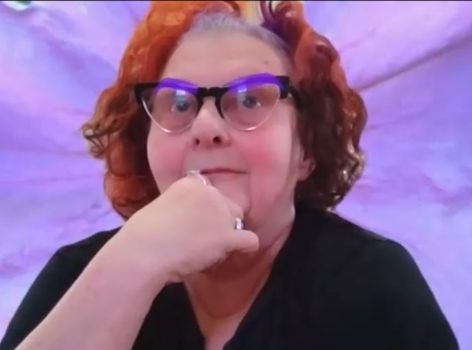 "Interview with Kath Duncan" Kath Duncan is a writer, a director, a provocateur, a visual artist, a comedian, a producer, a journalist, a radio broadcaster and disability advocate. Interview Summary Kath Duncan is an experienced and prominent figure in the disability arts community with a passion for experimental performance arts, having witnessed the beginnings of the disability arts movement in Australia and participated in its evolution. Her art is inherently political, shaped by her unique perspective as a congenital amputee. Kath firmly believes in the inherent creative revolutions and endless inspiration within all impairments. Kath highlights the ongoing struggles within the disability arts sector, including high unemployment rates for disabled individuals, systemic barriers, and the need for disabled leadership in arts organizations. While cherishing the milestones and transformative experiences she's had, Kath calls for significant systemic changes, emphasizing the importance of team playing and collective work to support and grow the disabled artist community.
 -
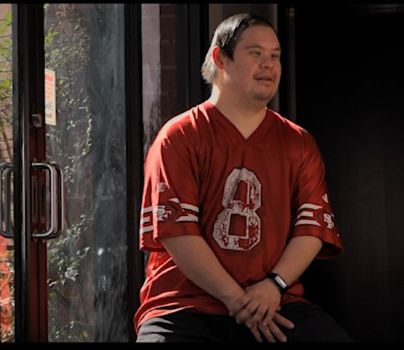 "Interview with Michael Hodyl" Michael Hodyl is a multifaceted artist, dancer and performer and has been with Restless Dance Theatre since 2018. Interview Summary Michael Hodyl, with Polish, Chinese, and Russian heritage, is a multifaceted artist who began his journey in the performing arts with a deep-rooted affinity for ballroom dancing. He transitioned into contemporary dance while maintaining his diverse dancing background and enjoys creating his own dance moves, which express his vibrant charisma and heritage. Facing challenges such as injuries, Michael finds ways to recuperate and return to dance, aiming to elicit happiness and pride from his audience through his performances. He cherishes the supportive friendships he's made in the arts community, holds his performances in high regard, and aspires to be recognized for his talents and hard work.
 -
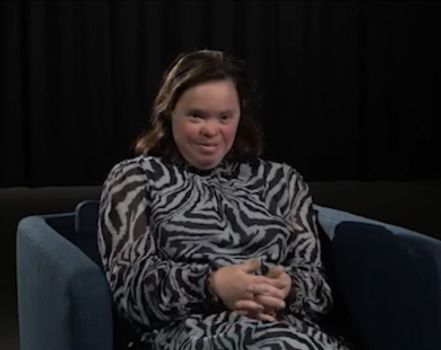 "Interview with Tina Fielding" Tina is a writer, actor, film maker and disability advocate Interview Summary Tina is an actress with Down Syndrome who identifies strongly with her art form, viewing her disability as an ability that enhances her talent and quality in storytelling through acting. She enjoys the process of acting and finds joy in watching her family perform, which inspired her to pursue the craft; however, she acknowledges that there are difficult moments that can be challenging but ultimately rewarding. Her artistic journey has involved working with various local companies in Perth and her work has evolved by adapting to new roles, with the aim of authenticity in her performances. Tina's influence and acknowledgment in the field are growing, noted by positive media attention, and she encourages other artists with disabilities to embrace and identify with their unique abilities.
 -
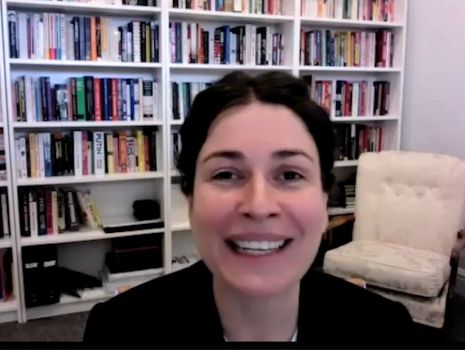 "Interview with Astrid Edwards" Astrid Edwards is a writer, publisher, lecturer, podcast host and disability advocate. Interview Summary Astrid Edwards, a former teacher and policy consultant, discusses in the interview how she pivoted her career towards writing and literature after being diagnosed with multiple sclerosis at 32, inspiring her to focus on work she loves. Astrid talks about writing at RMIT University, working with a diverse cohort of students, (many of whom have disabilities or are writing about trauma), which she finds rewarding. Though her work includes advocacy roles and a focus on disability, she does not wish to be defined solely by her illness, emphasizing the importance of allowing disabled individuals the freedom to explore and create beyond their disabilities. Currently, Astrid says she is a judge for the Stella Prize and discusses exploring a potential PhD about publishing and climate fiction, expressing a passion for addressing climate change within her work.
 -
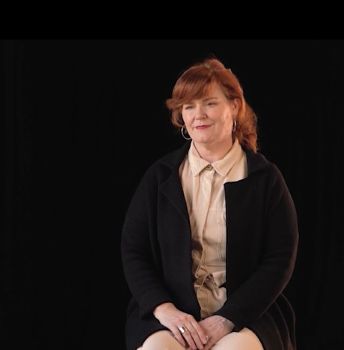 "Interview with Julie Moralee" Julie Moralee is the Chief Executive Officer of Restless Dance Theatre, bringing a wealth of experience in marketing, business development, and festival organisation within the arts sector. Her leadership focuses on showcasing the talents of artists with disability and ensuring sustainable employment opportunities in the arts. Interview Summary Julie Moralee is the CEO of Restless Dance Theatre, where she has focused on promoting the talent and abilities of artists with disability. With a commitment to ensuring sustainable full-time employment in the arts for these artists, she emphasises the importance of audience impact and high-quality performances as measures of success. Julie is mindful of the challenges and perceptions within the disability arts sector and envisions a future where the label "disability art" becomes obsolete, as the quality of the work transcends its creators
 -
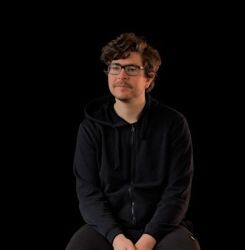 "Interview with Michael Noble" Michael Noble is a professional dancer and performer and has been with Restless Dance Theatre since 2015. Interview Summary Michael Noble is an ex-foster kid turned contemporary dancer at Restless Dance Theatre, who started in arts as an outlet for expression. His dance style has evolved from literal interpretations to more abstract movements, as Restless has supported his growth and mental health needs. Being in a company that accommodates artists with disabilities has led Michael to explore his own neurodivergence, specifically relating to being on the autism spectrum. He believes art, including the political, is less about the message itself and more about being the messenger for another's vision or interpreting and sharing one's own perspectives.
 -
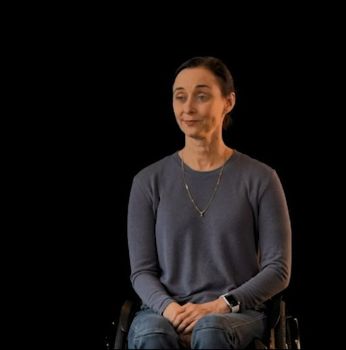 "Interview with Michelle Ryan" Michelle Ryan is the artistic director of Restless Dance Theatre and has extensive experience as a dancer and performer. Interview Summary Michelle Ryan, the artistic director of Restless Dance Theatre, shares her journey from being a successful dancer diagnosed with multiple sclerosis at 30 to becoming an advocate for artists with disabilities. Despite her initial hesitations to perform with her disability, a positive experience dancing with a European company reignited her passion and led her to Restless Dance Theatre, where she aims to change perceptions of who can create art. Michelle emphasizes the importance of providing professional opportunities and proper compensation for disabled artists, challenging the notion that disability work is charity or hobbyist. She advocates for representation that is genuine and not tokenistic, ensuring the inclusion of people with disabilities is meaningful and respectful.
 -
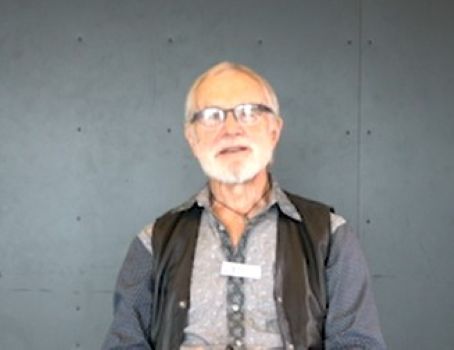 "Interview with Peter Vance" Peter Vance is a singer, songwriter, musician, performer, facilitator and disability arts advocate. Interview Summary: Peter Vance is a songwriter, performer, musician and singer. Peter suggested disability arts in the last 20 years has become more visible and popular reflecting a positive shift in how society views disability as part of the rich tapestry of human experience. This is reflected in how the arts now tell the stories of individuals with disabilities, not simply as artists with a disability, but as whole people whose varied experiences - visible and invisible - inform and enrich their creative expression. However, there are still challenges with funding and accessibility and ongoing struggles for recognition and support of disability art. Changes in how organisations operate to suit new funding such as the NDIS have potentially limited the spontaneity and personal touch that smaller, community-driven organizations once offered. Peter said it is essential to continue to push for better understanding, support, and visibility for people with all kinds of disabilities in every aspect of life, including the arts, to truly embrace inclusivity.
 -
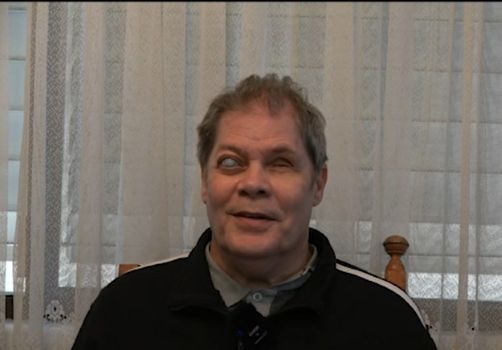 "Interview with Jeff Usher" Jeff Usher is a jazz and blues composer, arranger, pianist, vocalist, teacher, lecturer, and music consultant. Interview Summary Jeff Usher is a visually impaired Australian jazz musician with a rich history of playing music since childhood, influenced by a significant early encounter with the Jazz Action Society and key individuals like his high school music teacher Kathleen Kerr and his supportive family. Throughout his career, he has worked with a diverse range of musicians across many genres, including country, rock, and church music, and has expanded his repertoire to include political and spiritual themes, often infused with his synaesthetic experience of colour. Despite a broad professional experience, his engagement with the disability arts space developed over time, particularly through collaboration with other disabled artists, and he values working with good artists regardless of their backgrounds or disabilities. He is deeply committed to his craft, finding a balance between the aesthetic quality of his work and the joy it brings, both to himself and his audiences.
 -
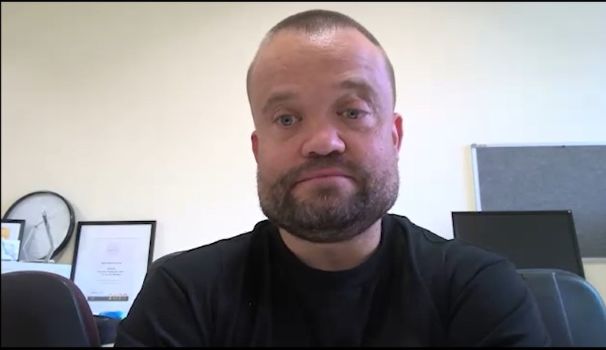 "Interview with Jeremy Smith" Jeremy Smith is a Senior Producer in Western Australia at Performing Lines, has a long career across community, experimental and performing arts, is a disability advocate and previously worked in Australia Council for the Arts (now Creative Australia) as Director – Community Arts and Experimental Arts. Interview Summary Jeremy Smith has vast experience in the arts including working as a director with Australia Council (Creative Australia). Jeremy is currently an arts worker in the performing arts sector. While Jeremy lives with Achondroplasia, he has not always identified as disabled however a transformative project for the 2016 Perth Festival led him to embrace his identity as a disabled person with pride recognising the complexities surrounding personal identification with disability. Jeremy talks about artists and organisations he finds inspirational who are leading change in the disability arts sector and his motivation to also advocate for inclusion and the evolution of public perception of disability arts work.
 -
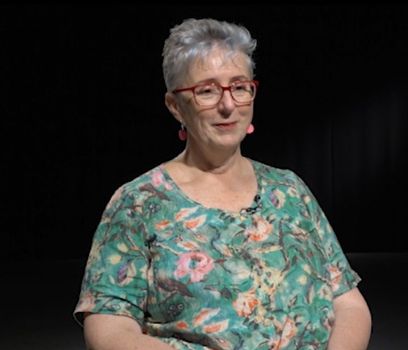 "Interview with Jenny Simpson" Jenny is CEO and Artistic Director of AWESOME Arts Australia while also a Musical Director of the Mighty Camelot Community Choir and a Sessional Academic at the Western Australian Academy of Performing Arts at Edith Cowan University. Interview Summary Jenny Simpson is the CEO and Artistic Director of AWESOME Arts Australia. She grew up in a musical family and always had an interest in the arts. After working in the corporate world, she decided to pursue a role in the arts to make a difference in the community. She has since focused on engaging young people with disabilities in the arts, and has worked on projects and festivals that promote inclusivity and accessibility. She believes that the perception of disability arts is changing and hopes to see more individuals with disabilities involved in arts management.
 -
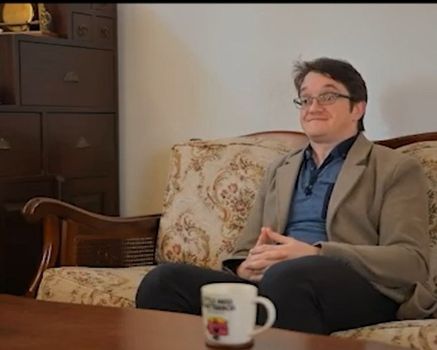 "Interview with Matthew Shilcock" Matthew Shilcock is a stage and film performer, dancer, director, choreographer, producer, project planner, manager, consultant and disability advocate. Interview Summary Matthew Shilcock, a contemporary dancer, lives with osteogenesis imperfecta, a condition that led him to discover dance as an affordable alternative to physiotherapy. His 12-year dance career has been shaped by working with both disabled and non-disabled artists, including elite companies and individual dancers, where he found a passion for the unique problem-solving and rewarding experiences that come with working with disabled dancers. As he transitions from performer to dance maker, Matthew's motivation has shifted from personal excitement and self-discovery to a focus on the next generation, aiming to pass on his unique experiences and methodologies. He acknowledges that while being on stage as a disabled artist can be inherently political, he values his authenticity and the impact of his work over the perceptions and labels placed upon disability in the arts.
 -
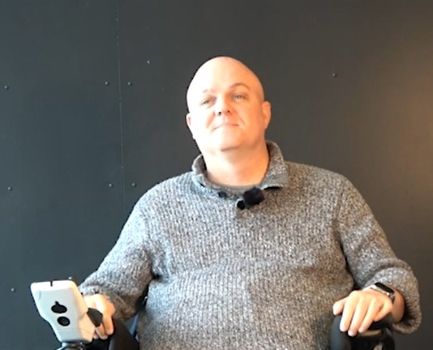 "Interview with Tim McCallum" Tim McCallum is a singer, performer and speaker and disability advocate. Interview Summary Tim McCallum is a performer who specializes in singing and acting, with singing being his foremost talent. Having sustained a spinal cord injury resulting in quadriplegia before beginning his studies at the Western Australian Academy of Performing Arts, Tim's childhood passion for the performing arts has continued to motivate his career. Through his experiences, both positive and negative, regarding inclusion and discrimination in the arts, Tim has become determined to challenge preconceived notions and make disability a visible and celebrated aspect of performance. He is a strong advocate for the representation of artists with disabilities in leadership roles within arts governance, stressing the importance of lived expertise over tokenism for lasting change in the industry.
 -
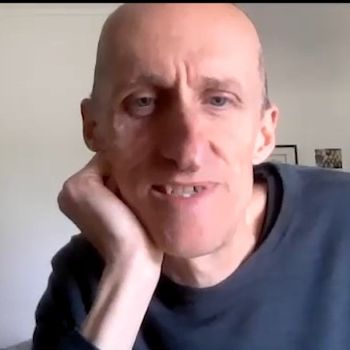 "Interview with Andy Jackson" Andy Jackson is a published poet focusing on disability and difference, has completed a PhD and is a lecturer of poetry and creative writing. INTERVIEW SUMMARY This is an oral history interview with poet Andy Jackson. Andy, who has Marfan syndrome, discusses how disability and visible difference have shaped his writing and poetry, explaining that he often writes about the meaning of the body within society. He emphasizes the importance of Disability Arts, noting a growing community of disabled writers and expressing the need for both disability-specific literary spaces and mainstream recognition. Andy also highlights the transformative role of online communities in creating networks for disabled individuals and the emergence of disability-focused literary journals, anticipating an anthology from a collaborative writing project he is involved with.
 -
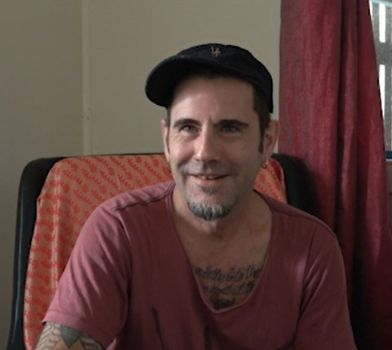 "Interview with Jeremy Hawkes" Jeremy Hawkes is a multidisciplinary artist working in sculpture, drawing, painting and photography as well as being a writer, educator and disability arts leader. Interview Summary Jeremy Hawkes, a visual artist, opened up about his life and identity during his interview. After a debilitating workplace accident, he had to reimagine his sculptural practice due to his acquired disability and ventured into drawing, which helped him cope with multiple operations and diagnoses. Jeremy's art explores themes of identity and the interconnectedness between the macro and the micro, drawing inspiration from neurobiology and medical imagery. Despite his struggles, Jeremy commits to his studio daily, aims for success without fear, and advocates for greater visibility and opportunities for artists with disabilities.
 -
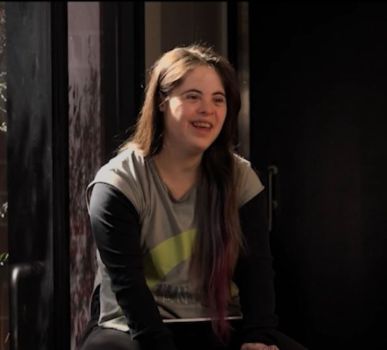 "Interview with Jianna Georgiou" Jianna Georgiou is a professional dancer, director and choreographer and has been with Restless Dance since 2006. Interview Summary Jianna Georgiou, who has Italian and Cypriot heritage, shared her journey as a dancer. She expressed her aspirations to collaborate with friends from other dance companies and emphasized her desire to continue her path with Restless Dance Theatre. Jianna’s determination remains strong, fuelled by her goal to perform and the emotional connection she feels through dance. She hopes to explore various dance styles, including hip-hop, which currently resonates with her, and she is motivated by the creative and energetic environment at Restless Dance Theatre.
 -
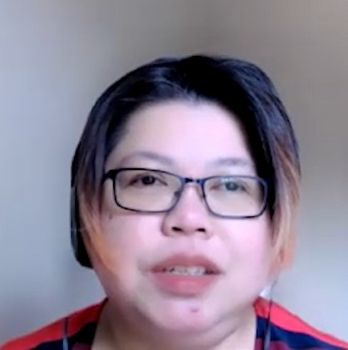 "Interview with CB Mako" CB Mako is a non-fiction, fiction and fanfiction writer and disability advocate. Interview Summary cubbie||CB Mako is a creative practitioner and disability advocate who emphasizes the importance of accessibility in the arts, advocating for digital inclusivity and the elimination of ableist practices. cubbie pushes for systemic change so that future generations, like their disabled child, don't have to fight for access to art and literature. Success for cubbie is defined by the progress made when institutions include disability in their funding, competitions, and programming. Using the pen name CB Mako and going by pronouns cubbie/they/them, urges non-disabled artists, particularly from communities of colour, to proactively incorporate access in their work.
 -
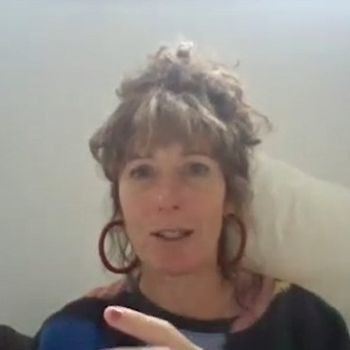 "Interview with Jodee Mundy OAM" Jodee Mundy OAM is a Disabled creative director, performer, writer, activist, creative producer, executive producer, commissioner, interpreter, film, festival maker and cultural leader. Interview Summary Jodee Mundy OAM, is an artist and festival director who identifies as Coda (child of Deaf adults) and lives with chronic illness reflects on the historical and ongoing challenges faced by Deaf and Disabled artists in Australia. Her work is deeply political, aiming to tell untold stories and bring visibility to marginalized communities. Despite significant achievements, Jodee stresses the need for structural support and inclusivity within the industry, especially given the limitations of hybrid access models post-pandemic. Jodee's personal journey, including her recent incurable cancer diagnosis, shapes her advocacy for a culture of care and well-being in the arts. Jodee leads Alter State, Australia’s Disability- led arts festival presented by Arts Centre Melbourne and Arts Access Victoria.
 -
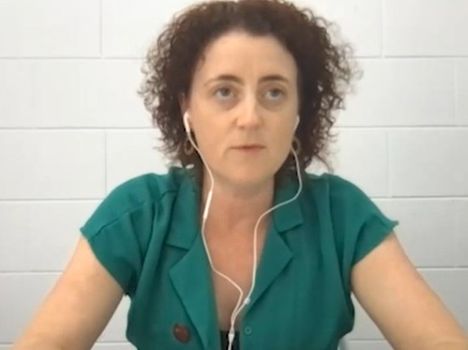 "Interview with Alison Richardson" Alison Richardson is an ally and advocate for people with disability with experience as an inclusive arts organisation artistic director and access and inclusion officer. Interview Summary Alison Richardson, artistic director and CEO of Crossroad Arts at the time of the interview, has had a 25-year journey through the fields of drama, theatre, and inclusive arts, starting in Sydney and leading to her role in Mackay, Queensland. Her work began by engaging with diverse young people and evolved into a focus on disability arts, recognising a gap in services and opportunities for people with disabilities in artistic expression. Throughout her career, she has witnessed and contributed to the gradual increase in visibility and opportunities for artists with disabilities, acknowledging the fluctuating support and funding in the sector. Despite challenges, Alison has observed progress in how disability arts are valued and the emergence of conversations around identity and representation within this community.
 -
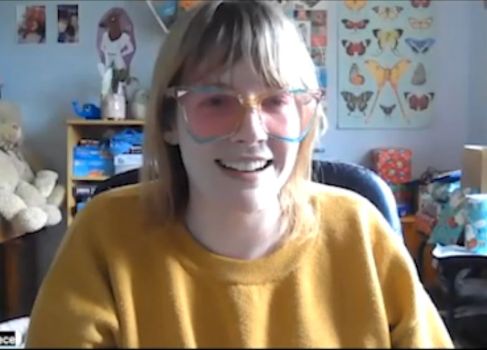 "Interview with Alex Creece" Alex Creece is writer, poet, editor, collage artist, and average kook living on Wadawurrung land. Interview Summary Alex Creece, focused on her experiences and journey as a disabled artist and writer in Australia. Alex discussed the importance of building a community and the challenges of balancing personal identity with maintaining professionalism in art. Alex expressed a desire for increased accessibility and recognition in the industry, highlighting the need for continued support of disabled artists. Throughout the conversation, the complexity of disability arts' visibility, identity politics, and the definition of creative success were explored, with Alex providing insight into her own work as well as broader industry trends and challenges.
 -
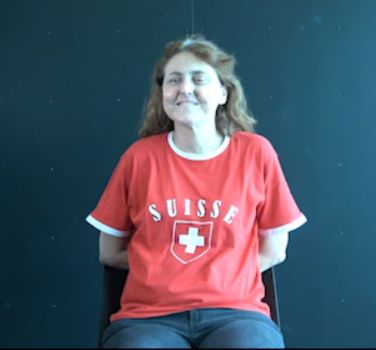 "Interview with Janelle Colquhoun" Janelle Colquhoun is an opera-jazz singer; corporate and community speaker; MC; producer; and writer. Interview Summary Janelle Colquhoun is a passionate and dedicated former opera singer, who in the interview speaks about, starting an entertainment agency to provide professional opportunities for artists with disabilities after losing her sight. She has produced over 1400 events, performed in a variety of concerts, and worked tirelessly to promote inclusivity in the arts, often by showcasing talented disabled artists to mainstream audiences. Janelle talks about how her work challenges the way people think about disability arts and inclusion, and strives to give equal performing opportunities by advocating for the recognition of artists with disabilities as professionals with the same quality of performance as any other artist.