
Items
Search full-text
“Handicapped Persons Assistance Act 1974”
-
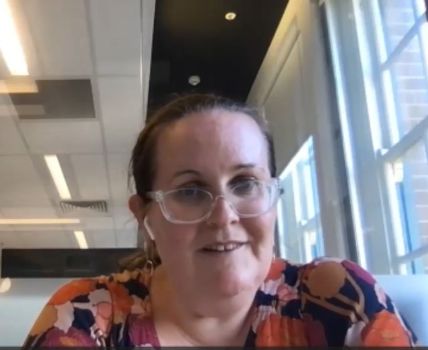 "Interview with Morwenna Collett" Morwenna is a leader, consultant and facilitator in the arts, government, not-for-profit and university sectors and is passionate about helping arts and cultural organisations to include everyone in their work. Interview Summary Morwenna Collett is a consultant in diversity, access and inclusion and during the interview discusses her vast experience in the disability arts sector including time in the Australia Council where she played a key role in creating the first targeted funding program for artists with disabilities. Morwenna notes that while disability arts is gaining some awareness with mainstream audiences, there are still issues regarding how people think about the quality of art created by artists with disabilities. Morwenna highlights the NDIS as a significant milestone for disability arts in Australia, though she believes that there is much more potential for arts organizations to engage with it. Morwenna also emphasizes that the decision for artists to identify with their disability is a personal choice and it is becoming increasingly safe to disclose this identity, demonstrating progress toward inclusion in the arts.
 -
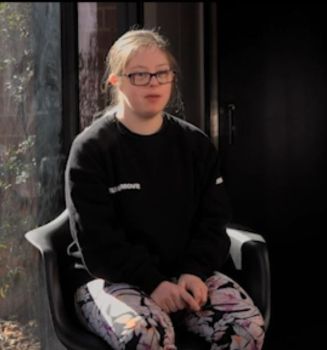 "Interview with Darcy Carpenter" Darcy Carpenter is a professional dancer and has performed with Restless Dance Theatre since 2014. Interview Summary: Darcy is a professional dancer with a family history in dance, who works with Restless Dance Theatre and has worked with the Riverland Youth Theatre. Darcy expressed her passion for dance and acting, mentioning her desire to share emotional experiences with her audience and her personal growth as an artist through the support of Restless Dance Theatre organisation. Throughout the interview, Darcy’s pride as a third-generation dancer shone through, along with her aspirations to continue developing her artistry.
 -
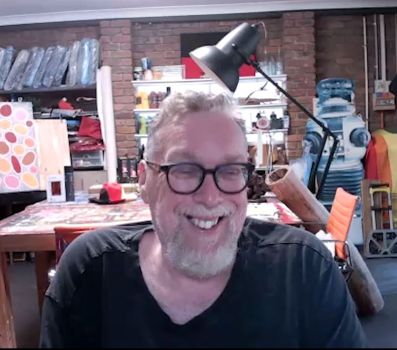 "Interview with Paul Constable Calcott" Uncle Paul Constable Calcott is a proud Wiradjuri man and artist living with a disability on Gubbi Gubbi country….. Uncle Paul uses his art to share stories of his journey as an aboriginal gay man living with a disability in urban Australia. Interview Summary Uncle Paul Calcott is a proud Wiradjuri elder and disability advocate who contracted polio as a child. During the interview, Uncle Paul discusses becoming an artist later in life through the encouragement of his husband and influenced by the storytelling of his culture. He embraces his identity as an Aboriginal, gay man living with disability. He talks about his artwork aiming to celebrate the achievements and contributions of people with disabilities, using traditional symbols to tell new stories, particularly about disability within Indigenous communities. Although there has been increased visibility and acknowledgment of disability arts in Australia, Paul notes that there's still a long way to go in terms of policy, funding, and public recognition. Uncle Paul says art can reflect political and social issues, and he proudly identifies as an artist with a disability and believes in the significance of diverse stories being told through the arts.
 -
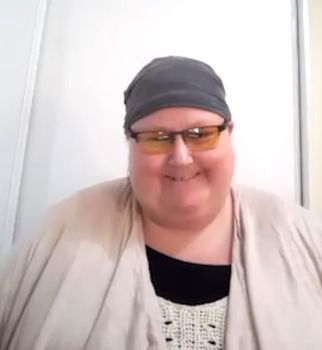 "Interview with Joanne Braddy" Joanne Braddy is a disability Advocate with lived experience and creates honest and insightful work about her experiences of anxiety and depression, as a way of breaking down stigmas that stand in the way of healing through painting, drawing, and ceramics to create emotive self-portraits. Interview Summary Joanne is an Australian visual artist with a 15-year career. She began creating art as an outlet for her mental health struggles and her work, which encompasses drawings, paintings, sculptures, and poetry, helps others by bringing awareness to mental health issues. Joanne finds a lack of accessibility with literacy and industry understanding but she remains motivated to exhibit her work and reduce mental health stigma, expressing the need for a supportive gallery to represent her. Despite these challenges, she aspires to have her substantial body of work seen more broadly and possibly go on tour, with the help of a mentor to guide her through the complexity of the art industry.
 -
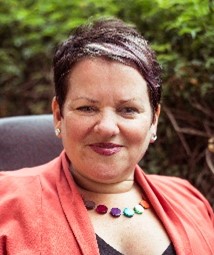 "Interview with Caroline Bowditch" Caroline Bowditch is an Australian artistic director, leader, performer, presenter, instructor, disability advocate and was the CEO of Arts Access Victoria. Interview Summary Caroline Bowditch, the CEO and Artistic Director of Arts Access Victoria, shared her journey as a performance artist and her experiences working within the Disability Arts community, highlighting her creative process and the challenges faced by disabled artists in Australia. Despite significant support and successful projects in the UK, she expressed concern over the limited progression and exposure of Disability Arts in Australia, noting a lack of ambition and opportunity deterring artists from aiming for larger, mainstream stages. Bowditch emphasized the importance of integrating access as a core component of artistic work and changing the aesthetic by including diverse bodies and perspectives. She also discussed tackling intersectionality within Disability Arts, reflecting on her own experiences as a visibly disabled and queer woman, and contemplating the future of Disability Arts, the desire for cultural equity, and the impact of potential shifts in societal barriers.
 -
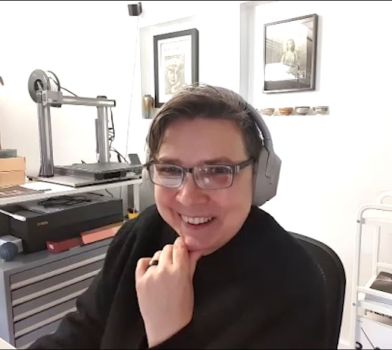 "Interview with Alison Bennett" Dr Alison Bennett is a senior lecturer in photography at RMIT School of Art specialising in expanded photography, webXR, queer and feminist creative practices. Interview Summary Alison Bennett, an artist and academic, spoke about her work in expanded photography, their experiences with autism, and the intersection of disability discourse with queer activism in their life and work. Their current project, vegetal/digital, arose from their experiences during the pandemic and connects audiences with plant sentience through interactive digital art. Alison also discussed the political nature of their work, aiming to shift ontological frameworks and exploring new modes of engagement through art. They reflected on the significant cultural changes regarding neurodiversity in the last few decades, highlighting the growing self-advocacy among autistic artists and their increasing impact in the arts.
 -
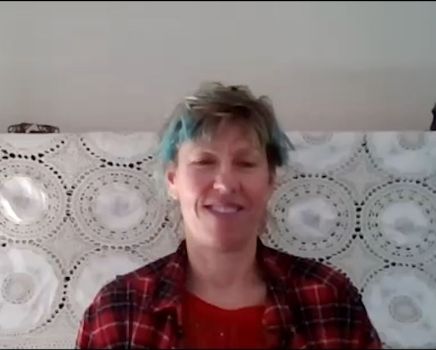 "Interview with Emiko Artemis" Dr Emiko Artemis is a visual artist with a PhD and a history of both solo and group exhibitions. Interview Summary Emiko Artemis identifies as a non-binary queer disabled visual artist. Emiko acknowledges their work essentially reflects their personal experiences with disability and comments on society. Despite interpersonal challenges due to disabilities, Emiko cherishes occasional collaborations, facilitated by clear structures or supportive relationships. Their artwork, often seen as "weird" to the public, aims to be thought-provoking rather than being particularly political. Emiko values the growing visibility of disability in the arts and the increase in acceptance of diversity in society. They proudly embrace their own identity as an integral aspect of their creative practice
 -
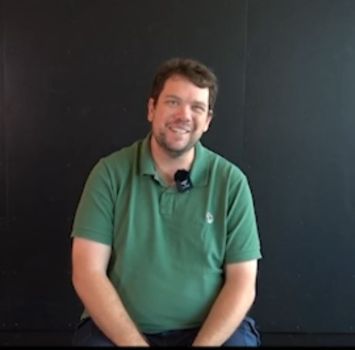 "Interview with Martin Edge" Martin Edge is a visual artist whose colourful paintings depict everyday life Interview Summary Martin Edge, an artist and ambassador for Autism Queensland, has experienced a significant journey in disability arts, culminating in representation by prominent galleries and inclusion in major collections. Since starting his painting career accidentally in a TAFE course, Martin's technique has evolved from using primary colours to creating a unique palette with mixed hues, resulting in more detailed and refined works. People have responded positively to his vibrant and hopeful art, which he enjoys sharing to bring joy to others. Martin looks up to artist Ken Done, admiring Done's vivid use of colour and his contributions to Australian art even into his 80s.
 -
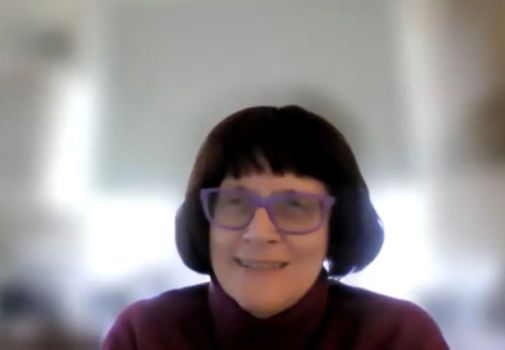 "Interview with Janice Florence" Janice Florence is a performing artist and disability advocate. She originally trained as a Teacher and Librarian. Janice has worked in Education and Libraries for many years and in disability advocacy for 20 years She has worked in Training and Consultation at Arts Access Vic for 12 years. Janice has been involved in theatre, dance and human movement for over 35 years. For 25 years she has been the Artistic Director of Weave Movement Theatre, comprising disabled and non-disabled performers. Weave has produced many devised original works often with respected performing artists as collaborators. She was the inaugural recipient of the Australia Council Awards for Disability Arts-Established Artist in 2019. Interview Summary Janice Florence is a veteran performer and Artistic Director of Weave Movement Theatre, which includes disabled performers. During the interview, Janice reflected on her extensive history with dance, both prior to and after acquiring her disability, highlighting the significance of political and personal themes, as well as the use of humour in her work. She discussed the ongoing challenges in securing accessible rehearsal and performance spaces, along with the complexities of funding and recognition within the Disability Arts scene in Australia. Janice also acknowledged the importance of Disability Arts historically and its potential for challenging societal expectations regarding disability.
 -
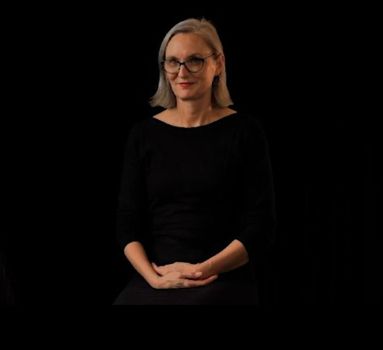 "Interview with Roz Hervey" Roz Hervey is a Creative Producer with Restless Dance Theatre and is also a director, dance theatre performer and lecturer. Interview Summary: Roz Hervey, the creative producer of Restless Dance in Adelaide, previously worked as a dancer and dance theatre artist in Australia and the UK. Her approach with Restless Dance involves creating personal and reflective dance theatre by giving dancers specific tasks. Roz does not view the performers as disabled but as exceptional artists telling unique stories, and she aspires to change societal attitudes and encourage diversity in art. Despite progressing towards inclusive perceptions, she still encounters patronizing attitudes and misconceptions about artists with disabilities.
 -
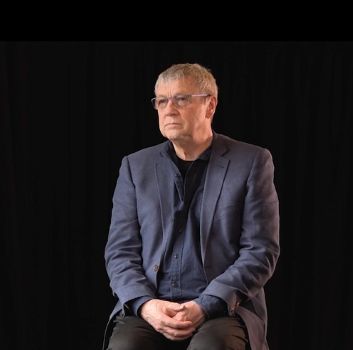 "Interview with Nick Hughes" Nick has worked as an actor, director, writer, artistic director, dramaturg and was the Company Manager for Restless Dance Theatre Interview Summary Nick Hughes is a retired arts administrator who has worked in various capacities within the arts industry, including as an actor, writer, stage manager, and notably as the company manager for Restless Dance Theatre. Nick gained degrees in drama, and sociology, and moved from the UK to Australia in 1973. During the interview, Nick reflects on his significant contributions to the arts and disability sectors. Despite being unfamiliar with disability arts in the beginning, Nick says he became deeply involved and committed to the field, valuing disability arts for the social and political aspects. Nick discusses witnessing first-hand the growth and development of individuals through creative expression. Throughout his career, Nick says he has seen the evolution and increasing recognition of disability arts as a legitimate and powerful art form capable of altering people’s perceptions and advocating for inclusivity and equality in society.
 - Colin Allen
-
 "Arts in Action Annual Report 2005" Arts in Action Annual Report 2005, describing the organisation’s work, including an artistic program with visual arts workshops, music club and choir, and a new mentoring program.
 - Bryon Jones
- Bryn Jones
-
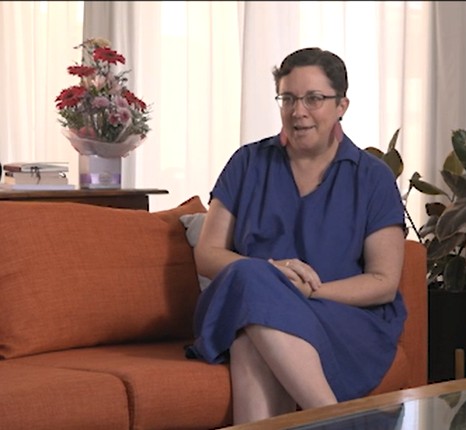 "Interview with Kate Larsen" Kate Larsen (she/her) is a writer, consultant, leader and advocate with Australian and international experience in the arts and disability sector. Interview Summary Kate Larsen (she/her) is a recognised arts and disability advocate who emphasises the importance and inherent politics of self-expression and access in the arts. A non-disabled ally, Kate was influenced to pursue a career in the sector by the profound impact of learning about the social model of disability, which sparked a commitment to creating opportunities for and by disabled individuals. Larsen's work has involved fostering leadership among disabled artists and arts workers, advocating for disability-led organisations, and driving systemic change within Australia’s arts and cultural sector. She hopes to see continued progress towards equity and representation in the arts, with the NDIS playing a crucial role, and an increased presence of disabled artists, arts workers and leaders in mainstream organisations.
 -
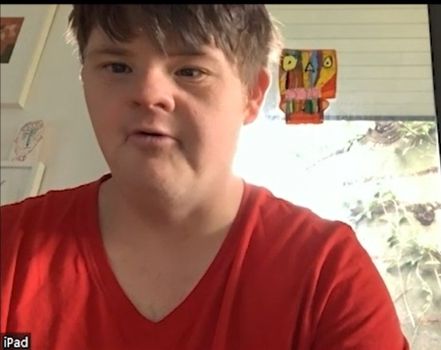 "Interview with Digby Webster" Digby Webster is a visual artist working with the mediums of oil pastels and acrylics and is also a performer, designer and co-founding member of past performance ensemble Ruckus Ensemble. Interview Summary Digby Webster is an artist with a wide range of creative talents, including theater, dance, animation, and mural painting. He has worked on various projects, including an animated short film called "Blockhead and Sparkles," and has had his artwork displayed in places like the Sydney Olympic Park and Vivid Sydney. Digby does not define himself by his disability and takes pride in the various creative endeavors he's involved in, aiming to have his art reach people in meaningful ways outside traditional galleries. In the future, he is interested in exploring fashion, designing artwork for clothing, and he hopes to see more people wearing his art.
 -
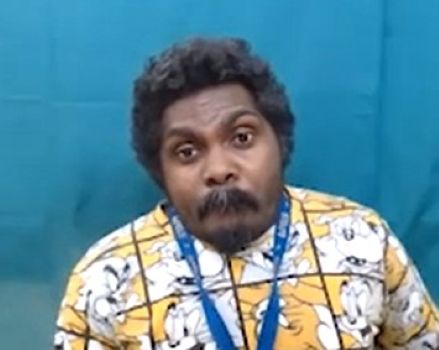 "Interview with Graham Wilfred Junior" Graham Wilfred Junior is a Yolngu man and artist with Incite Arts where he works with different mediums including filmmaking, writing, performing and music. Interview Summary Graham, an emerging artist with spina bifida whose father inspired his passion for art, has pursued various art forms including painting, music, and digital art, now calls Mparntwe/Alice Springs home, and is venturing into theatre and filmmaking. His digital artwork, through the creation of the indigemoji app, helps teach the Arrernte, the language of the First Nations people of Mparntwe/Alice Springs. He now seeks to expand his impact through acting and creating films. Graham's motivation is to both celebrate and inspire people with disability, aiming for recognition as an artist rather than focusing solely on his disability. Graham shares his journey with Incite Arts, highlighting his involvement in music workshops, acting classes and script development, emphasizing the importance of representation and empowerment for individuals with disability. Ultimately, he aims to document his experiences and create impactful performances that leave a legacy to encourage others to pick up where he leaves off, ensuring the continuity of artistic expression within his community.
 -
 “Studio A – Inside Studio A – Promotional Flyer 2020” Information about project 2020, in which creative producer Amelia B created "Inside Studio A" as an ‘about’ video featuring the work of artists, including interviews with Mathew Calandra, Thom Roberts, Catherine McGuiness, Jaycee Kim, and Meagan Pelham. Photograph by Cybele Malinowski.
 - Accessible Arts
-
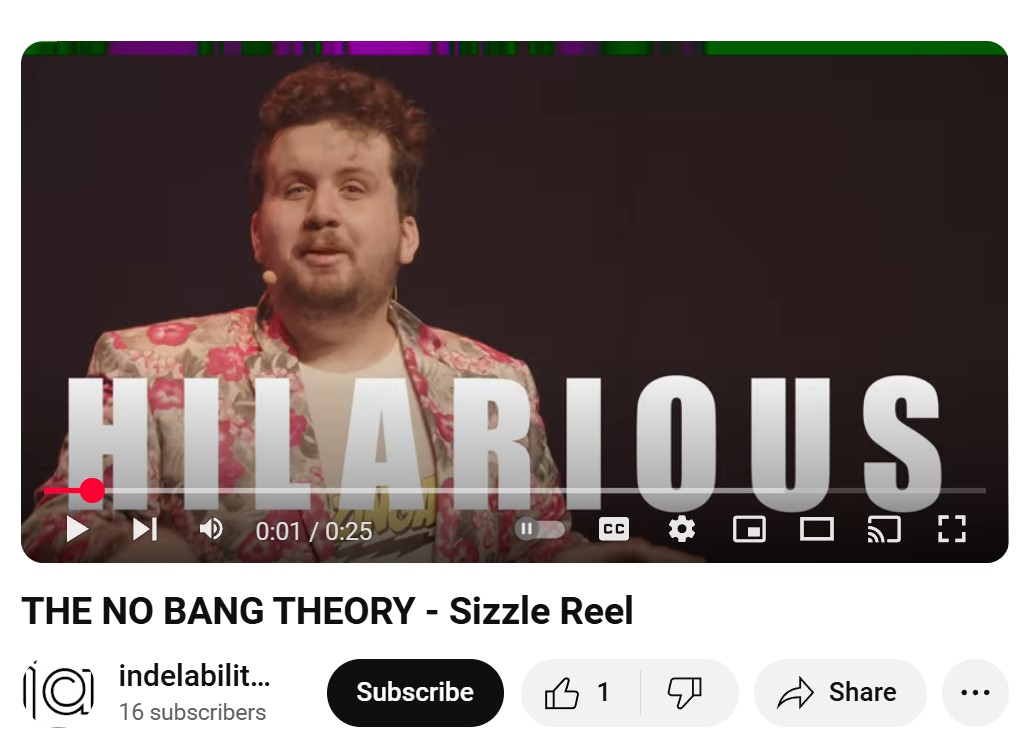 "The No Bang Theory - Presenter Pack" Presenter Pack for Indelability Arts show by Oliver Hetherington Page, The No Bang Theory - reads, in part, "Autistic performer/playwright Oliver Hetherington-Page is fed up with people thinking Sheldon Cooper somehow represents all people on the spectrum. He’s using Arts Queensland funding, show tunes and anecdotes to set the record straight. The No Bang Theory is a musical journey from dating disasters to diagnosis through #actuallyautistic eyes." The No Bang Theory was independently created by Oliver Hetherington-Page.
 -
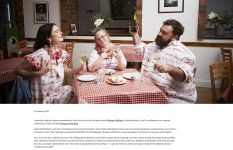 “Studio A – And Romance Was Born - Promotional Card 2020" Information about Studio A collaboration with fashion design label Romance Was Born. Photograph by Tanja Bruckner.
 -
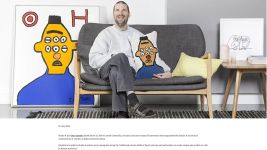 “Studio A – One Another Homewares – 2018” Information about a range of homewares, using hand weaving and embroidery, created by Studio A and in collaboration with One Another in 2018. Photograph by Rick Carter.
 -
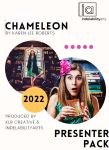 "Chameleon - Presenter Pack" Presenter Pack for Indelability Arts show by Karen Lee Roberts, Chameleon - reads, in part, "Chameleon brilliantly portrays a new point of view of the norms of mental illness through heartfelt stories of a woman’s journey to mental wellness. With original music from the world of the blues, jazz, folk and rock, Chameleon packs a healthy dose of funny for the mind, body and soul."
 -
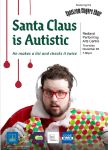 "Santa Claus Is Autistic" Reads, in part "Santa Claus is Autistic He makes a list and checks it twice Featuring the Spectrum Singers." Santa Claus is Autistic was independently created by Oliver Hetherington-Page.