
Items
Search full-text
“The Australian Government’s Creative Nation policy released in 1994”
- Katrina Pimm
- Karen Bulgin
- Justin Braine
-
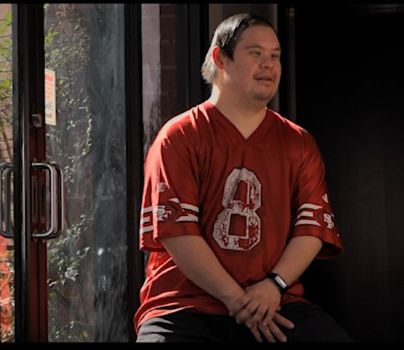 "Interview with Michael Hodyl" Michael Hodyl is a multifaceted artist, dancer and performer and has been with Restless Dance Theatre since 2018. Interview Summary Michael Hodyl, with Polish, Chinese, and Russian heritage, is a multifaceted artist who began his journey in the performing arts with a deep-rooted affinity for ballroom dancing. He transitioned into contemporary dance while maintaining his diverse dancing background and enjoys creating his own dance moves, which express his vibrant charisma and heritage. Facing challenges such as injuries, Michael finds ways to recuperate and return to dance, aiming to elicit happiness and pride from his audience through his performances. He cherishes the supportive friendships he's made in the arts community, holds his performances in high regard, and aspires to be recognized for his talents and hard work.
 -
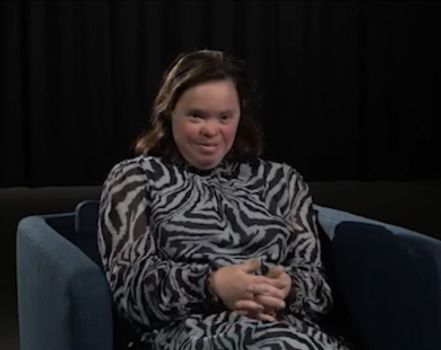 "Interview with Tina Fielding" Tina is a writer, actor, film maker and disability advocate Interview Summary Tina is an actress with Down Syndrome who identifies strongly with her art form, viewing her disability as an ability that enhances her talent and quality in storytelling through acting. She enjoys the process of acting and finds joy in watching her family perform, which inspired her to pursue the craft; however, she acknowledges that there are difficult moments that can be challenging but ultimately rewarding. Her artistic journey has involved working with various local companies in Perth and her work has evolved by adapting to new roles, with the aim of authenticity in her performances. Tina's influence and acknowledgment in the field are growing, noted by positive media attention, and she encourages other artists with disabilities to embrace and identify with their unique abilities.
 -
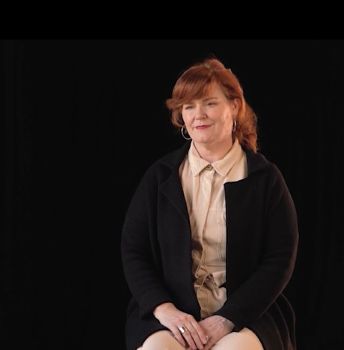 "Interview with Julie Moralee" Julie Moralee is the Chief Executive Officer of Restless Dance Theatre, bringing a wealth of experience in marketing, business development, and festival organisation within the arts sector. Her leadership focuses on showcasing the talents of artists with disability and ensuring sustainable employment opportunities in the arts. Interview Summary Julie Moralee is the CEO of Restless Dance Theatre, where she has focused on promoting the talent and abilities of artists with disability. With a commitment to ensuring sustainable full-time employment in the arts for these artists, she emphasises the importance of audience impact and high-quality performances as measures of success. Julie is mindful of the challenges and perceptions within the disability arts sector and envisions a future where the label "disability art" becomes obsolete, as the quality of the work transcends its creators
 -
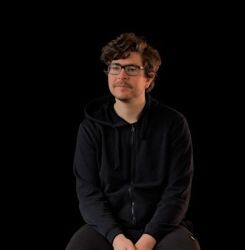 "Interview with Michael Noble" Michael Noble is a professional dancer and performer and has been with Restless Dance Theatre since 2015. Interview Summary Michael Noble is an ex-foster kid turned contemporary dancer at Restless Dance Theatre, who started in arts as an outlet for expression. His dance style has evolved from literal interpretations to more abstract movements, as Restless has supported his growth and mental health needs. Being in a company that accommodates artists with disabilities has led Michael to explore his own neurodivergence, specifically relating to being on the autism spectrum. He believes art, including the political, is less about the message itself and more about being the messenger for another's vision or interpreting and sharing one's own perspectives.
 -
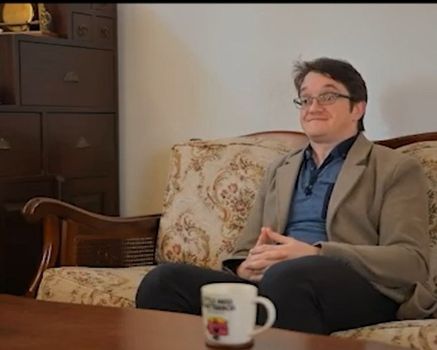 "Interview with Matthew Shilcock" Matthew Shilcock is a stage and film performer, dancer, director, choreographer, producer, project planner, manager, consultant and disability advocate. Interview Summary Matthew Shilcock, a contemporary dancer, lives with osteogenesis imperfecta, a condition that led him to discover dance as an affordable alternative to physiotherapy. His 12-year dance career has been shaped by working with both disabled and non-disabled artists, including elite companies and individual dancers, where he found a passion for the unique problem-solving and rewarding experiences that come with working with disabled dancers. As he transitions from performer to dance maker, Matthew's motivation has shifted from personal excitement and self-discovery to a focus on the next generation, aiming to pass on his unique experiences and methodologies. He acknowledges that while being on stage as a disabled artist can be inherently political, he values his authenticity and the impact of his work over the perceptions and labels placed upon disability in the arts.
 -
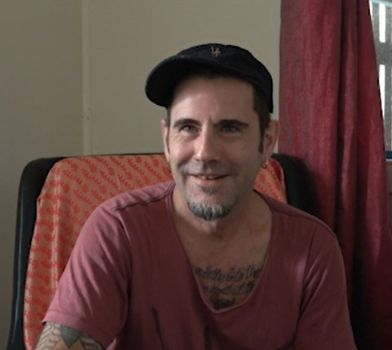 "Interview with Jeremy Hawkes" Jeremy Hawkes is a multidisciplinary artist working in sculpture, drawing, painting and photography as well as being a writer, educator and disability arts leader. Interview Summary Jeremy Hawkes, a visual artist, opened up about his life and identity during his interview. After a debilitating workplace accident, he had to reimagine his sculptural practice due to his acquired disability and ventured into drawing, which helped him cope with multiple operations and diagnoses. Jeremy's art explores themes of identity and the interconnectedness between the macro and the micro, drawing inspiration from neurobiology and medical imagery. Despite his struggles, Jeremy commits to his studio daily, aims for success without fear, and advocates for greater visibility and opportunities for artists with disabilities.
 -
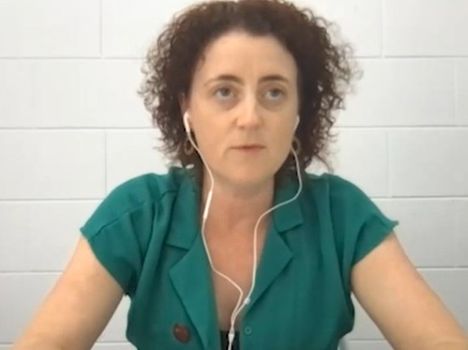 "Interview with Alison Richardson" Alison Richardson is an ally and advocate for people with disability with experience as an inclusive arts organisation artistic director and access and inclusion officer. Interview Summary Alison Richardson, artistic director and CEO of Crossroad Arts at the time of the interview, has had a 25-year journey through the fields of drama, theatre, and inclusive arts, starting in Sydney and leading to her role in Mackay, Queensland. Her work began by engaging with diverse young people and evolved into a focus on disability arts, recognising a gap in services and opportunities for people with disabilities in artistic expression. Throughout her career, she has witnessed and contributed to the gradual increase in visibility and opportunities for artists with disabilities, acknowledging the fluctuating support and funding in the sector. Despite challenges, Alison has observed progress in how disability arts are valued and the emergence of conversations around identity and representation within this community.
 -
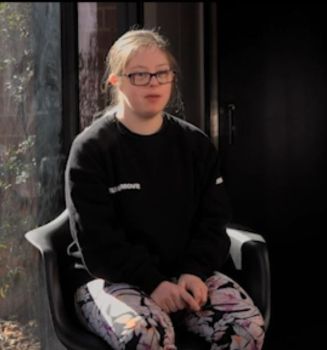 "Interview with Darcy Carpenter" Darcy Carpenter is a professional dancer and has performed with Restless Dance Theatre since 2014. Interview Summary: Darcy is a professional dancer with a family history in dance, who works with Restless Dance Theatre and has worked with the Riverland Youth Theatre. Darcy expressed her passion for dance and acting, mentioning her desire to share emotional experiences with her audience and her personal growth as an artist through the support of Restless Dance Theatre organisation. Throughout the interview, Darcy’s pride as a third-generation dancer shone through, along with her aspirations to continue developing her artistry.
 -
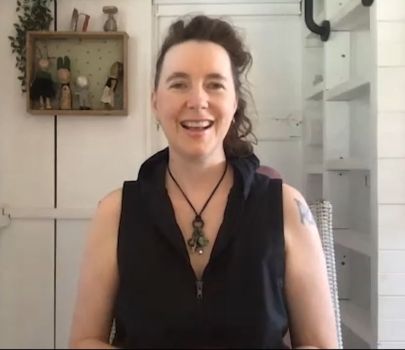 "Interview with Asphyxia" Asphyxia is an artist, author, activist and performer who has founded Amplio, a music app for Deaf and hard of hearing people. She also provides free online Auslan lessons and online art courses. Interview Summary Asphyxia is a Deaf artist whose journey into the arts started with a deep love for ballet, but after facing discrimination due to her Deafness, she pivoted to a successful career in circus performance and later puppetry, which embraced her Deafness and signing skills. Her work in performance art led her to write and illustrate the Awards-winning art-journal book, Future Girl, which explores Deaf identity and environmental issues. She has now moved into music, creating an app that makes music accessible and writing music designed with Deaf and hard of hearing audiences in mind. Although not sure about the major milestones in disability arts history in Australia, she considers her art to be both political and personal, often tackling issues related to her identity as a Deaf person and the aesthetics of disability equipment. While Asphyxia identifies as a Deaf artist, above all, she sees herself as an artist whose work appeals to the mainstream while celebrating Deafness and diversity.
 - Julie Lyons
- Julie Marie Lyons
- Julee-Anne Van Der Boor
- John Martin
- John Gielgud
- John Cousins
- Jody Mundy
- Jodee Mundy
- Jocelyn Moorhouse
- Jethro Heysen-Hicks
- Jane Scott
- Jane Muras
- Jane Campion