Items
Search full-text
“The 1985 New Directions Report is released”
- Kelly Walker
- Keith Saunders
- Kelly Milne
- Katya Petetskaya
- Kay Armstrong
- Keira Anne Donovan
- Katie Senior
- Katrina Douglas
- Katrina Pimm
- Katy Alexander
- Kathryn Manufui
- Kathy Keele
- Kate Maguire-Rosier
- Kate Montague
- Kate Nelson
- Kat Hastenteufe
- Kate Baker
-
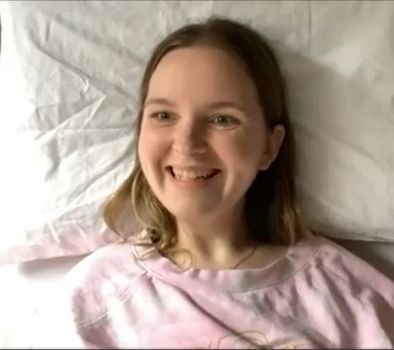 "Interview with Jess Cochran" Jess Cochran (they/them) is an actor, model, writer and disability advocate. Interview Summary: Jess Cochran is a queer, non-binary, neurodivergent, performing artist, advocate, writer, and consumer consultant with a background in both physical and psychosocial disabilities. Their journey into the performing arts began accidentally with a role in the Awards winning Melbourne Fringe Festival production, Qualia, which opened doors to more local and international Awards-winning work in film and stage. Jess identifies proudly with their disabilities and considers their art both a personal expression and a political act aimed at highlighting the issues faced by the disability community. Jess’s work spans across writing, modelling, and various performance arts, and they wish to see an increase of disability arts representation in mainstream media with authentic casting, opportunities and improved accessibility for disabled performers. Jess is also passionate about highlighting intersectionality in disability arts.
 -
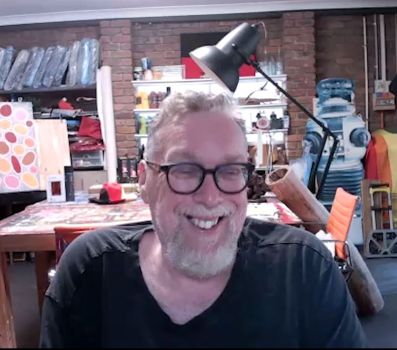 "Interview with Paul Constable Calcott" Uncle Paul Constable Calcott is a proud Wiradjuri man and artist living with a disability on Gubbi Gubbi country….. Uncle Paul uses his art to share stories of his journey as an aboriginal gay man living with a disability in urban Australia. Interview Summary Uncle Paul Calcott is a proud Wiradjuri elder and disability advocate who contracted polio as a child. During the interview, Uncle Paul discusses becoming an artist later in life through the encouragement of his husband and influenced by the storytelling of his culture. He embraces his identity as an Aboriginal, gay man living with disability. He talks about his artwork aiming to celebrate the achievements and contributions of people with disabilities, using traditional symbols to tell new stories, particularly about disability within Indigenous communities. Although there has been increased visibility and acknowledgment of disability arts in Australia, Paul notes that there's still a long way to go in terms of policy, funding, and public recognition. Uncle Paul says art can reflect political and social issues, and he proudly identifies as an artist with a disability and believes in the significance of diverse stories being told through the arts.
 - Julie Rogers
- Julie McNamara
- Julie Mc
- Julie Humphreys
- Julie Ann van der Boor
- Julian Turner