
Items
Search full-text
Accessible Arts - Arts and Disability Expo
-
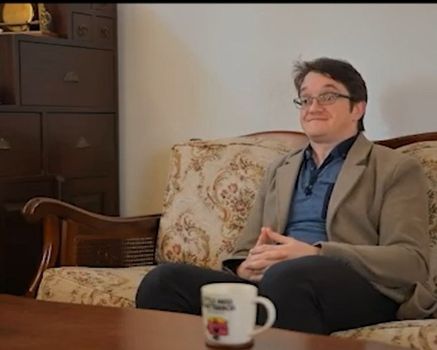 "Interview with Matthew Shilcock" Matthew Shilcock is a stage and film performer, dancer, director, choreographer, producer, project planner, manager, consultant and disability advocate. Interview Summary Matthew Shilcock, a contemporary dancer, lives with osteogenesis imperfecta, a condition that led him to discover dance as an affordable alternative to physiotherapy. His 12-year dance career has been shaped by working with both disabled and non-disabled artists, including elite companies and individual dancers, where he found a passion for the unique problem-solving and rewarding experiences that come with working with disabled dancers. As he transitions from performer to dance maker, Matthew's motivation has shifted from personal excitement and self-discovery to a focus on the next generation, aiming to pass on his unique experiences and methodologies. He acknowledges that while being on stage as a disabled artist can be inherently political, he values his authenticity and the impact of his work over the perceptions and labels placed upon disability in the arts.
-
“The National Disability Strategy 2010–2020 is launched and, later, Australia’s Disability Strategy 2021-2031” The Australian Government launched the National Disability Strategy 2010–2020 in 2011. All levels of government were involved in a united national approach to improving life for people with disabilities, their families and carers. The National Disability Insurance Scheme (NDIS) was an outcome of this process. In 2021, the Disability Strategy Advisory Council was established and the most recent iteration of the strategy, Australia’s Disability Strategy 2021-2031, outlines a vision for a more inclusive and accessible Australian society where all people with disability can fulfil their potential as equal members of the community.
-
"Bree Hadley (2017) Disability, Sustainability, Austerity: The Bolshy Divas Arts-Based Protests Against Policy Paradoxes. Centre for Sustainable Practice in the Arts Journal 18 Spring. http://www.sustainablepractice.org." "In this short article, I want consider some of the ways theatrical artists, activists and advocates in Australia are tackling the paradoxical relationship between sustainability and austerity discourses, and, as a result, some changes this may be starting to produce in disabled people’s aesthetic prerogatives. For the last 30 years, artists, activists and scholars in Australia and beyond have avoided casting disability in terms of trauma, crisis, catastrophe and disaster. Accounts of the way disability theatre challenges stereotypes , as well as analysis of disability signifiers in screen, stage, and social performance , have expressed concern about deploying disability as a metaphor for disaster, or defining disabled people as monstrous, tragic, stoic, or inspirational, the way the medical model of disability traditionally defines us. Instead, modern disabled artists and the scholars who analyse them have advocated for work that deploys live art, performance art, and performative intervention in public space to challenge stereotypes, oppressive institutional systems, and other factors the social model of disability sees as the cause of disability oppression .In the last few years, though, there has been an increase in work that does associate disability with trauma, tragedy and disaster, in what seems to be a response to austerity, accountability and economic sustainability agendas that call for cuts to disability services spending to make our societies more sustainable going forward."
-
"Commonwealth of Australia (2019) Key Results of the 2018 Public Consultation: National Arts and Disability Strategy. Canberra: An initiative of the Meeting of Cultural Ministers" Reads, in part "Between 24 September and 3 December 2018, people shared their stories and ideas about arts and disability in Australia. The Meeting of Cultural Ministers asked to hear these ideas and stories. The Meeting of Cultural Ministers is made up of the Cultural Ministers from the Australian Government and state and territory governments. The statistics in the report all come from the online survey. These ideas and stories will help Ministers to make a new National Arts and Disability Strategy.
- Josie Cavallaro
-
"Jung Yoon (2021) Cultural strategy for people with disability in Australia. International Journal of Cultural Policy, 28(2), 187–203. https://doi.org/10.1080/10286632.2021.1916003" Reads, in part "This paper analyses the first cultural strategy introduced in Australia for people with disability and its evaluation reports. For an in-depth understanding of the cultural strategy, it reviews the literature on disability in historical and socio-political contexts, and on human rights for people with disability. It also discusses three key recommendations identified from the evaluations of the cultural strategy: first, to develop an information hub for the arts and disability sector; second, to facilitate collaboration between Australian governments, including arts agencies and national disability support agencies; and third, to revisit and renew the existing cultural strategy"
-
"DADAA Inc and Arts Access Australia (2012) public Art Works: Employment in the Arts for People with Disability. http://www.dadaa.org.au/wp-content/uploads/2017/01/Art-Works-Full-Report-Web.pdf" Reads, in part "This document provides a short overview of the full Art Works report, which captures the results from national research into employment levels, barriers and strategies around employment in the arts for people with disability. The report was produced in response to one of the key focus areas of the National Arts and Disability Strategy, released in 2009."
-
 "Arts and Disability: A research summary" Australia Council - Arts and Disability: A research summary, 2018 - reads, in part "The great art created by artists with disability, and participation of people with disability in the arts, are integral to the artistic and cultural life of Australia. This summary brings together findings from Australia Council research publications and a research overview compiled by the Meeting of Cultural Ministers to build the evidence base about disability and the arts."
-
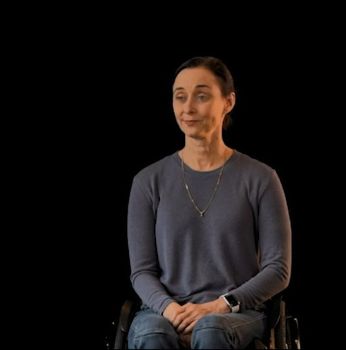 "Interview with Michelle Ryan" Michelle Ryan is the artistic director of Restless Dance Theatre and has extensive experience as a dancer and performer. Interview Summary Michelle Ryan, the artistic director of Restless Dance Theatre, shares her journey from being a successful dancer diagnosed with multiple sclerosis at 30 to becoming an advocate for artists with disabilities. Despite her initial hesitations to perform with her disability, a positive experience dancing with a European company reignited her passion and led her to Restless Dance Theatre, where she aims to change perceptions of who can create art. Michelle emphasizes the importance of providing professional opportunities and proper compensation for disabled artists, challenging the notion that disability work is charity or hobbyist. She advocates for representation that is genuine and not tokenistic, ensuring the inclusion of people with disabilities is meaningful and respectful.
-
"Queensland Government (2024) Arts and Disability Plan. 25 September 2024. https://www.arts.qld.gov.au/projects-and-initiatives/arts-and-disability-plan-web" Reads, in part "The Queensland Government acknowledges the rights of people with disability to participate equally in the state’s cultural life and to have the opportunity to develop and use their creative, artistic and intellectual potential, as recognised in the United Nations Convention on the Rights of Persons with Disability."
-
 "Australia Council - Annual Report 2005-06" Australia Council Annual Report 2005-2006 - discusses letter from chair of council, letter from CEO, corporate overview, year in review, goals, financial statements, analysis of funding analysis and grants list, including various artistic and community projects - “Stickybricks” – exploring the history of a Sydney Housing Estate where 95% of residents receive aged or disability benefits were traumatised by by murders, suicides, assaults and drug and alcohol-related crimes and they partnered with Big hART to tell their story at the Sydney Festival, “Small Metal Objects” by Back to Back Theatre presented at the Melbourne international arts festival, and the DADAA (WA) regional collaborative “Bridging the Gap” project in Bunbury and publication of “Making the Journey: Arts and disability in Australia”
-
"Radha O'Meara, Laura Dunstan, Anna Debinski, Catherine Ryan (2023). Disability and Screen Work in Australia: Report for Industry 2023. In Disability and Screen Work in Australia: Report for Industry. Melbourne Disability Institute, University of Melbourne." Disability is a key vector of inequality in Australian society. The screen industry has the potential to create meaningful change, in our workplaces and working practices, for our colleagues and our audiences. We need to pay more attention to disability and take more action to include disabled people in our industry. Disability equity, inclusion and accessibility training tailored to the screen industry can make a significant impact. Consultation, innovation and funding can transform industrial structures to create a more inclusive and sustainable industry for all screen workers. We must normalise talking about and providing access requirements to support disabled workers. The findings of this research reflect the need to build greater understanding, transparency and accountability in order to fully include disabled workers in the Australian screen industry.
-
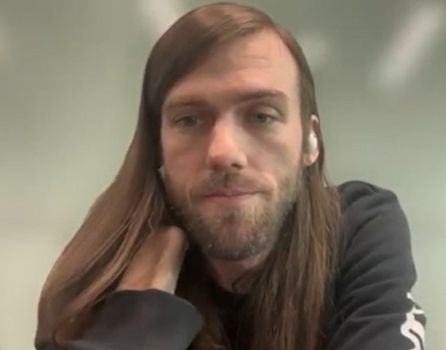 "Interview with Daniel Savage" Daniel Savage is an artist and disability advocate working in mediums of photography, video and performance. Interview Summary: Daniel discussed his background as a disabled contemporary artist primarily focused on photography, with additional interests in video and performance. Daniel detailed the journey through his artistic career, highlighting significant experiences such as art school education, early influences, and the impact of acquiring a disability. He also explored the evolution of his style and interests, particularly his shift towards digital technology and his involvement in advocacy for accessibility in the arts. Daniel also shared his perspectives on the challenges and achievements within the disability arts scene in Australia, including public awareness and integration with contemporary art.
-
 "Accessible Arts - Annual Report 2005" Accessible Arts - Annual Report 2005 - ABOUT ACCESSIBLE ARTS, CHAIR’S REPORT, CHIEF EXECUTIVE OFFICER’S REPORT, ACCESSIBLE ARTS’ PEOPLE, STRATEGIC OUTCOMES, SERVICES, Information, Training, Audience Development
-
 "Accessible Arts and Noise - AART-BOXX 2009 - Program" Accessible Arts - AART-BOXX 2009 Program - reads, in part "AART.BOXX is a national exhibition that gives emerging artists with a disability the opportunity to show their work in a professional context. Facilitated by Accessible Arts and driven by a committee of emerging arts workers, AART.BOXX presents 23 artists and artist collectives as a representative survey of the diverse practices and important new perspectives being developed by artists with a disability across Australia."
-
 "Accessible Arts - AART-BOXX 2007 - Promotional Card" Accessible Arts - AART-BOXX 2007 Promotional Card - reads, in part "Want to get involved? Accessible Arts is interested in hearing from budding artists, arts workers, curators, writers or people interested in pursing the arts to form a committee to drive and co-ordinate AART.BOXX 08."
-
"Commonwealth of Australia (2014) National Arts Disability Strategy Evaluation 2009–2012. Canberra: Meeting of Cultural Ministers: National Arts and Disability Implementation Working Group." Reads, in part "The first evaluation was completed in October 2013 and explores the Strategy's outcomes from October 2009 to December 2012. The Evaluation Report includes input from the Australian, state and territory governments, following targeted consultation with arts and disability stakeholders. The Evaluation Report was endorsed by cultural ministers in October 2014."
-
 "Interview with Patricia Wozniak" Patricia Wozniak is a neurodivergent visual arts coordinator at Tutti Arts and is a disability arts advocate and ally. Interview Summary Patricia Wozniak, a visual arts coordinator at Tutti Arts with 14-15 years of experience, initially volunteered while studying for her master's and found joy and liberation in making art with the organisation. Tutti Arts has grown from offering two days to five days of visual arts each week and supports artists to enjoy creating, access quality materials, and earn income. While faced with challenges like NDIS funding intricacies and the need for easy-to-understand contracts, Patricia emphasizes the importance of artist-driven practice and equal opportunities. She observes a shift toward digital art and commercial endeavours among artists and asserts the vitality of educating artists about their rights and the political aspect of disability art in cultivating change and expression of identity.
-
"Commonwealth of Australia, 2018. Research Overview: Arts and Disability in Australia. Barton: Department of Communication and the Arts, Cultural Ministers Council. Available from: https://www.arts.gov.au/sites/g/files/net1761/f/research_overview_of_arts_and_disability.pdf." Reads, in part "The Research Overview brings together published and unpublished data and research about arts and disability in Australia, and case studies highlighting arts and disability practice around the country. The Research Overview is part of the evidence base for a renewed National Arts and Disability Strategy. The evidence gathered here will be complemented by submissions and survey during a national consultation in 2018."
-
“Demonstrators protest inadequate funding for disability support in Adelaide, 1992” On the 13th March, 1992, 100 demonstrators gathered in Adelaide to protest inadequate funding for disability support. Deputy Prime Minister and Minister for Health, Housing and Community Services Brian Howe was “heckled” by the group outside an event at Jubilee Hall during a health care expo. Howe agreed later that year to “honour a federal government promise to expand the National Attendant Care Scheme,” that is, after another demonstration by 70 advocates outside Parliament House.
-
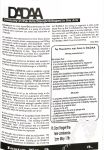 "Accessible Arts - ACE Arts Creativity Expression - Dave King - Article: DADAA - Disability in the Arts/Disadvantage in the Arts- Iss5, Pg3" Accessible Arts - ACE Arts Creativity Expression - Dave King - Article: DADAA - Disability in the Arts/Disadvantage in the Arts- Iss5, Pg3reads, in part "DISABILITY IN THE ARTS/DISADVANTAGED IN THE ARTS AUSTRALIA (DADAA) is a group of artists/art workers who represent the states and territories of Australia. Its members are representatives from those groups who work towards artistic empowerment and filling the creative needs of people with disabilities - that is to name a few, ACCESSIBLE ARTS and ARTS ACCESS. All the current members attended a meeting in July. They all work with people with disabilities and three have disabilities. The inaugural meeting was held in late 1990. This group was formed to facilitate and maintain a responsive external overview of the trends in the arts for those experiencing disadvantage or a disability."
-
 "Interview with Simone Flavelle" Simone Flavelle is a producer and consultant to artists with disability and the arts and film sectors. Interview Summary During an in-depth discussion about disability arts, Simone Flavelle outlined their career trajectory, emphasizing early work at Rocky Bay, involvement with Disability in the Arts Disadvantage in the Arts Australia (DADAA), and noted milestones in the field, including the impact of the NDIS on choice and control for artists. She discussed the evolution of public perception towards disability arts and the ongoing challenges with inclusivity and accessibility in various spaces. Simone also touched on the politicization of art by disabled artists, the complexity of identity among these artists, and the spectrum of how disability pride is embraced.
-
 "Accessible Arts - AART-BOXX - Invitation - Promotional Card" Accessible Arts - AART-BOXX Invitation 1995 - Promotional Card
- David King
- Dave King