
Items
Search full-text
Alter State
-
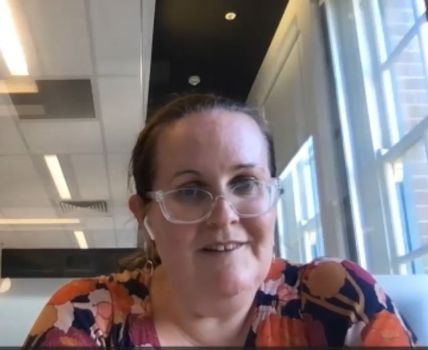 "Interview with Morwenna Collett" Morwenna is a leader, consultant and facilitator in the arts, government, not-for-profit and university sectors and is passionate about helping arts and cultural organisations to include everyone in their work. Interview Summary Morwenna Collett is a consultant in diversity, access and inclusion and during the interview discusses her vast experience in the disability arts sector including time in the Australia Council where she played a key role in creating the first targeted funding program for artists with disabilities. Morwenna notes that while disability arts is gaining some awareness with mainstream audiences, there are still issues regarding how people think about the quality of art created by artists with disabilities. Morwenna highlights the NDIS as a significant milestone for disability arts in Australia, though she believes that there is much more potential for arts organizations to engage with it. Morwenna also emphasizes that the decision for artists to identify with their disability is a personal choice and it is becoming increasingly safe to disclose this identity, demonstrating progress toward inclusion in the arts.
-
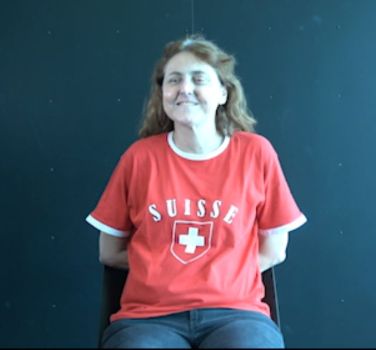 "Interview with Janelle Colquhoun" Janelle Colquhoun is an opera-jazz singer; corporate and community speaker; MC; producer; and writer. Interview Summary Janelle Colquhoun is a passionate and dedicated former opera singer, who in the interview speaks about, starting an entertainment agency to provide professional opportunities for artists with disabilities after losing her sight. She has produced over 1400 events, performed in a variety of concerts, and worked tirelessly to promote inclusivity in the arts, often by showcasing talented disabled artists to mainstream audiences. Janelle talks about how her work challenges the way people think about disability arts and inclusion, and strives to give equal performing opportunities by advocating for the recognition of artists with disabilities as professionals with the same quality of performance as any other artist.
-
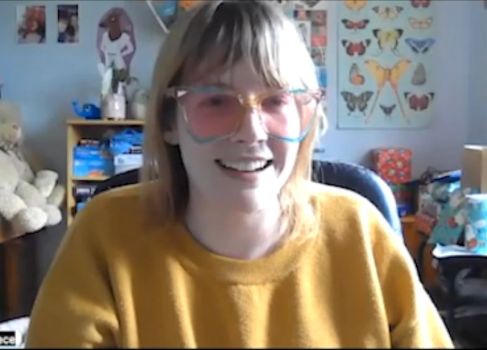 "Interview with Alex Creece" Alex Creece is writer, poet, editor, collage artist, and average kook living on Wadawurrung land. Interview Summary Alex Creece, focused on her experiences and journey as a disabled artist and writer in Australia. Alex discussed the importance of building a community and the challenges of balancing personal identity with maintaining professionalism in art. Alex expressed a desire for increased accessibility and recognition in the industry, highlighting the need for continued support of disabled artists. Throughout the conversation, the complexity of disability arts' visibility, identity politics, and the definition of creative success were explored, with Alex providing insight into her own work as well as broader industry trends and challenges.
-
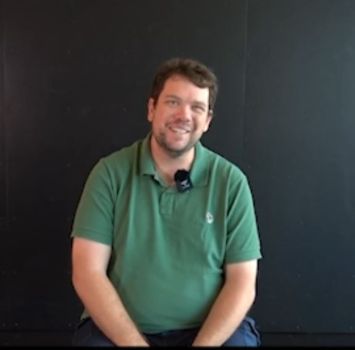 "Interview with Martin Edge" Martin Edge is a visual artist whose colourful paintings depict everyday life Interview Summary Martin Edge, an artist and ambassador for Autism Queensland, has experienced a significant journey in disability arts, culminating in representation by prominent galleries and inclusion in major collections. Since starting his painting career accidentally in a TAFE course, Martin's technique has evolved from using primary colours to creating a unique palette with mixed hues, resulting in more detailed and refined works. People have responded positively to his vibrant and hopeful art, which he enjoys sharing to bring joy to others. Martin looks up to artist Ken Done, admiring Done's vivid use of colour and his contributions to Australian art even into his 80s.
-
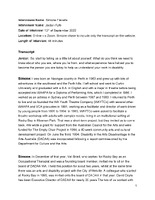 "Interview with Simone Flavelle" Simone Flavelle is a producer and consultant to artists with disability and the arts and film sectors. Interview Summary During an in-depth discussion about disability arts, Simone Flavelle outlined their career trajectory, emphasizing early work at Rocky Bay, involvement with Disability in the Arts Disadvantage in the Arts Australia (DADAA), and noted milestones in the field, including the impact of the NDIS on choice and control for artists. She discussed the evolution of public perception towards disability arts and the ongoing challenges with inclusivity and accessibility in various spaces. Simone also touched on the politicization of art by disabled artists, the complexity of identity among these artists, and the spectrum of how disability pride is embraced.
-
 "Interview with Gayle Kennedy"
-
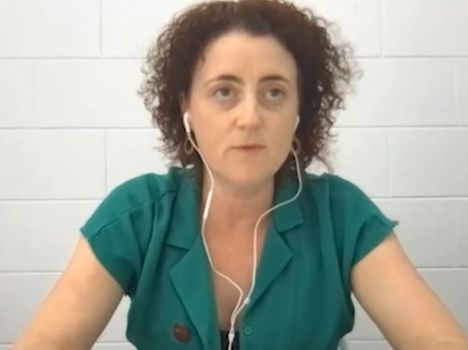 "Interview with Alison Richardson" Alison Richardson is an ally and advocate for people with disability with experience as an inclusive arts organisation artistic director and access and inclusion officer. Interview Summary Alison Richardson, artistic director and CEO of Crossroad Arts at the time of the interview, has had a 25-year journey through the fields of drama, theatre, and inclusive arts, starting in Sydney and leading to her role in Mackay, Queensland. Her work began by engaging with diverse young people and evolved into a focus on disability arts, recognising a gap in services and opportunities for people with disabilities in artistic expression. Throughout her career, she has witnessed and contributed to the gradual increase in visibility and opportunities for artists with disabilities, acknowledging the fluctuating support and funding in the sector. Despite challenges, Alison has observed progress in how disability arts are valued and the emergence of conversations around identity and representation within this community.
-
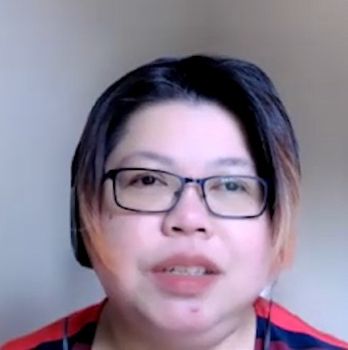 "Interview with CB Mako" CB Mako is a non-fiction, fiction and fanfiction writer and disability advocate. Interview Summary cubbie||CB Mako is a creative practitioner and disability advocate who emphasizes the importance of accessibility in the arts, advocating for digital inclusivity and the elimination of ableist practices. cubbie pushes for systemic change so that future generations, like their disabled child, don't have to fight for access to art and literature. Success for cubbie is defined by the progress made when institutions include disability in their funding, competitions, and programming. Using the pen name CB Mako and going by pronouns cubbie/they/them, urges non-disabled artists, particularly from communities of colour, to proactively incorporate access in their work.
-
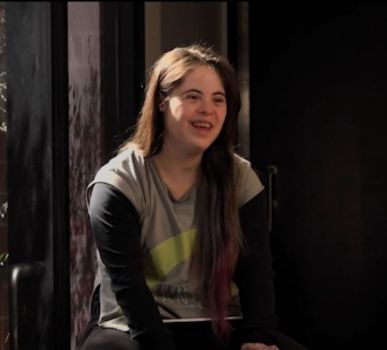 "Interview with Jianna Georgiou" Jianna Georgiou is a professional dancer, director and choreographer and has been with Restless Dance since 2006. Interview Summary Jianna Georgiou, who has Italian and Cypriot heritage, shared her journey as a dancer. She expressed her aspirations to collaborate with friends from other dance companies and emphasized her desire to continue her path with Restless Dance Theatre. Jianna’s determination remains strong, fuelled by her goal to perform and the emotional connection she feels through dance. She hopes to explore various dance styles, including hip-hop, which currently resonates with her, and she is motivated by the creative and energetic environment at Restless Dance Theatre.
-
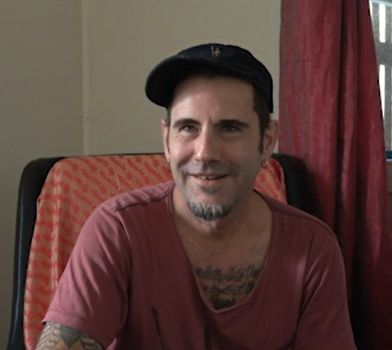 "Interview with Jeremy Hawkes" Jeremy Hawkes is a multidisciplinary artist working in sculpture, drawing, painting and photography as well as being a writer, educator and disability arts leader. Interview Summary Jeremy Hawkes, a visual artist, opened up about his life and identity during his interview. After a debilitating workplace accident, he had to reimagine his sculptural practice due to his acquired disability and ventured into drawing, which helped him cope with multiple operations and diagnoses. Jeremy's art explores themes of identity and the interconnectedness between the macro and the micro, drawing inspiration from neurobiology and medical imagery. Despite his struggles, Jeremy commits to his studio daily, aims for success without fear, and advocates for greater visibility and opportunities for artists with disabilities.
-
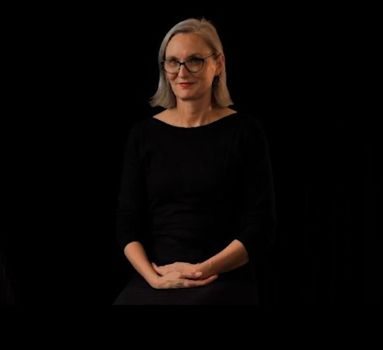 "Interview with Roz Hervey" Roz Hervey is a Creative Producer with Restless Dance Theatre and is also a director, dance theatre performer and lecturer. Interview Summary: Roz Hervey, the creative producer of Restless Dance in Adelaide, previously worked as a dancer and dance theatre artist in Australia and the UK. Her approach with Restless Dance involves creating personal and reflective dance theatre by giving dancers specific tasks. Roz does not view the performers as disabled but as exceptional artists telling unique stories, and she aspires to change societal attitudes and encourage diversity in art. Despite progressing towards inclusive perceptions, she still encounters patronizing attitudes and misconceptions about artists with disabilities.
-
 "Interview with Andy Jackson" Andy Jackson is a published poet focusing on disability and difference, has completed a PhD and is a lecturer of poetry and creative writing. INTERVIEW SUMMARY This is an oral history interview with poet Andy Jackson. Andy, who has Marfan syndrome, discusses how disability and visible difference have shaped his writing and poetry, explaining that he often writes about the meaning of the body within society. He emphasizes the importance of Disability Arts, noting a growing community of disabled writers and expressing the need for both disability-specific literary spaces and mainstream recognition. Andy also highlights the transformative role of online communities in creating networks for disabled individuals and the emergence of disability-focused literary journals, anticipating an anthology from a collaborative writing project he is involved with.
-
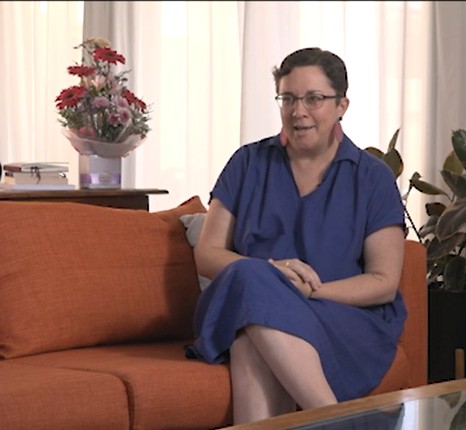 "Interview with Kate Larsen" Kate Larsen (she/her) is a writer, consultant, leader and advocate with Australian and international experience in the arts and disability sector. Interview Summary Kate Larsen (she/her) is a recognised arts and disability advocate who emphasises the importance and inherent politics of self-expression and access in the arts. A non-disabled ally, Kate was influenced to pursue a career in the sector by the profound impact of learning about the social model of disability, which sparked a commitment to creating opportunities for and by disabled individuals. Larsen's work has involved fostering leadership among disabled artists and arts workers, advocating for disability-led organisations, and driving systemic change within Australia’s arts and cultural sector. She hopes to see continued progress towards equity and representation in the arts, with the NDIS playing a crucial role, and an increased presence of disabled artists, arts workers and leaders in mainstream organisations.
-
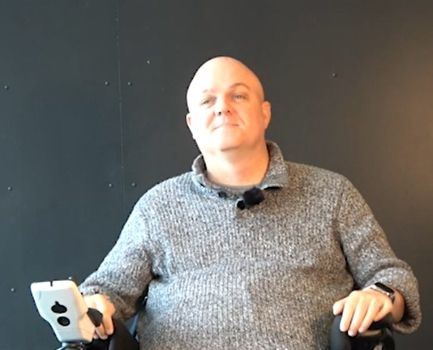 "Interview with Tim McCallum" Tim McCallum is a singer, performer and speaker and disability advocate. Interview Summary Tim McCallum is a performer who specializes in singing and acting, with singing being his foremost talent. Having sustained a spinal cord injury resulting in quadriplegia before beginning his studies at the Western Australian Academy of Performing Arts, Tim's childhood passion for the performing arts has continued to motivate his career. Through his experiences, both positive and negative, regarding inclusion and discrimination in the arts, Tim has become determined to challenge preconceived notions and make disability a visible and celebrated aspect of performance. He is a strong advocate for the representation of artists with disabilities in leadership roles within arts governance, stressing the importance of lived expertise over tokenism for lasting change in the industry.
-
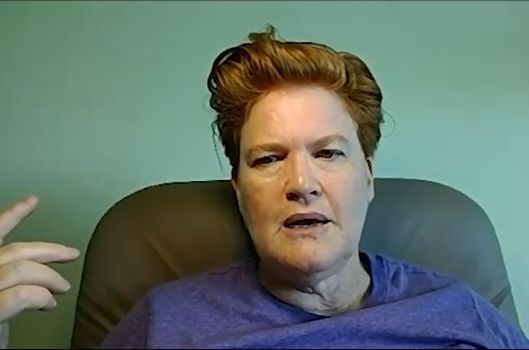 "Interview with Michèle Saint-Yves" Michèle Saint-Yves is a playwright, filmmaker, poet, and director. Interview Summary Michèle Saint-Yves’ background includes a colonial upbringing in Pacific territories, a Scottish boarding school education, and a complex personal journey of confronting her own inherent racism and colonial legacy, particularly through her writing. Her work as an artist with disability is deeply informed by her sense of otherness and focuses on creating inclusive performance-based work that challenges mainstream audiences and systems, aiming for transformative experiences that impact disability justice and community. Michèle actively embraced the social model of disability, which shifted her understanding of herself and her art, and has received recognition for her pioneering work with the prize-winning show "Clock for No Time." However, recognising the social model’s limitations, her current creative endeavours are concerned with 'access intimacy' and evaluating the lasting impact of her performances, in collaboration with other artists and through research grants.
-
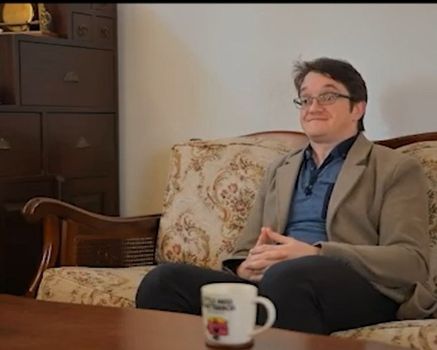 "Interview with Matthew Shilcock" Matthew Shilcock is a stage and film performer, dancer, director, choreographer, producer, project planner, manager, consultant and disability advocate. Interview Summary Matthew Shilcock, a contemporary dancer, lives with osteogenesis imperfecta, a condition that led him to discover dance as an affordable alternative to physiotherapy. His 12-year dance career has been shaped by working with both disabled and non-disabled artists, including elite companies and individual dancers, where he found a passion for the unique problem-solving and rewarding experiences that come with working with disabled dancers. As he transitions from performer to dance maker, Matthew's motivation has shifted from personal excitement and self-discovery to a focus on the next generation, aiming to pass on his unique experiences and methodologies. He acknowledges that while being on stage as a disabled artist can be inherently political, he values his authenticity and the impact of his work over the perceptions and labels placed upon disability in the arts.
-
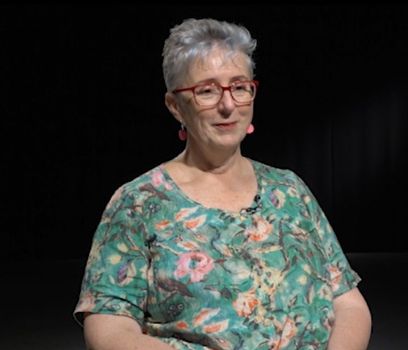 "Interview with Jenny Simpson" Jenny is CEO and Artistic Director of AWESOME Arts Australia while also a Musical Director of the Mighty Camelot Community Choir and a Sessional Academic at the Western Australian Academy of Performing Arts at Edith Cowan University. Interview Summary Jenny Simpson is the CEO and Artistic Director of AWESOME Arts Australia. She grew up in a musical family and always had an interest in the arts. After working in the corporate world, she decided to pursue a role in the arts to make a difference in the community. She has since focused on engaging young people with disabilities in the arts, and has worked on projects and festivals that promote inclusivity and accessibility. She believes that the perception of disability arts is changing and hopes to see more individuals with disabilities involved in arts management.
-
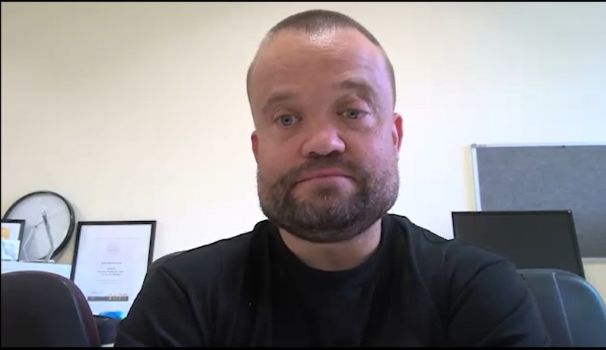 "Interview with Jeremy Smith" Jeremy Smith is a Senior Producer in Western Australia at Performing Lines, has a long career across community, experimental and performing arts, is a disability advocate and previously worked in Australia Council for the Arts (now Creative Australia) as Director – Community Arts and Experimental Arts. Interview Summary Jeremy Smith has vast experience in the arts including working as a director with Australia Council (Creative Australia). Jeremy is currently an arts worker in the performing arts sector. While Jeremy lives with Achondroplasia, he has not always identified as disabled however a transformative project for the 2016 Perth Festival led him to embrace his identity as a disabled person with pride recognising the complexities surrounding personal identification with disability. Jeremy talks about artists and organisations he finds inspirational who are leading change in the disability arts sector and his motivation to also advocate for inclusion and the evolution of public perception of disability arts work.
-
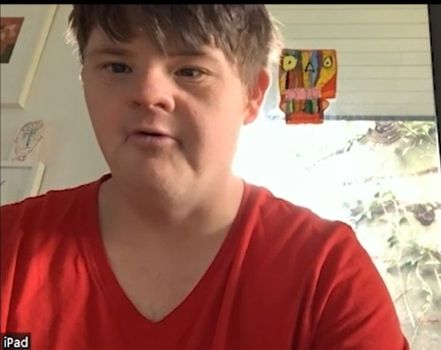 "Interview with Digby Webster" Digby Webster is a visual artist working with the mediums of oil pastels and acrylics and is also a performer, designer and co-founding member of past performance ensemble Ruckus Ensemble. Interview Summary Digby Webster is an artist with a wide range of creative talents, including theater, dance, animation, and mural painting. He has worked on various projects, including an animated short film called "Blockhead and Sparkles," and has had his artwork displayed in places like the Sydney Olympic Park and Vivid Sydney. Digby does not define himself by his disability and takes pride in the various creative endeavors he's involved in, aiming to have his art reach people in meaningful ways outside traditional galleries. In the future, he is interested in exploring fashion, designing artwork for clothing, and he hopes to see more people wearing his art.
-
 "Interview with Patricia Wozniak" Patricia Wozniak is a neurodivergent visual arts coordinator at Tutti Arts and is a disability arts advocate and ally. Interview Summary Patricia Wozniak, a visual arts coordinator at Tutti Arts with 14-15 years of experience, initially volunteered while studying for her master's and found joy and liberation in making art with the organisation. Tutti Arts has grown from offering two days to five days of visual arts each week and supports artists to enjoy creating, access quality materials, and earn income. While faced with challenges like NDIS funding intricacies and the need for easy-to-understand contracts, Patricia emphasizes the importance of artist-driven practice and equal opportunities. She observes a shift toward digital art and commercial endeavours among artists and asserts the vitality of educating artists about their rights and the political aspect of disability art in cultivating change and expression of identity.
-
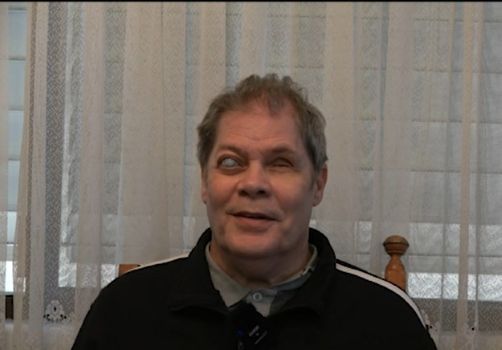 "Interview with Jeff Usher" Jeff Usher is a jazz and blues composer, arranger, pianist, vocalist, teacher, lecturer, and music consultant. Interview Summary Jeff Usher is a visually impaired Australian jazz musician with a rich history of playing music since childhood, influenced by a significant early encounter with the Jazz Action Society and key individuals like his high school music teacher Kathleen Kerr and his supportive family. Throughout his career, he has worked with a diverse range of musicians across many genres, including country, rock, and church music, and has expanded his repertoire to include political and spiritual themes, often infused with his synaesthetic experience of colour. Despite a broad professional experience, his engagement with the disability arts space developed over time, particularly through collaboration with other disabled artists, and he values working with good artists regardless of their backgrounds or disabilities. He is deeply committed to his craft, finding a balance between the aesthetic quality of his work and the joy it brings, both to himself and his audiences.
-
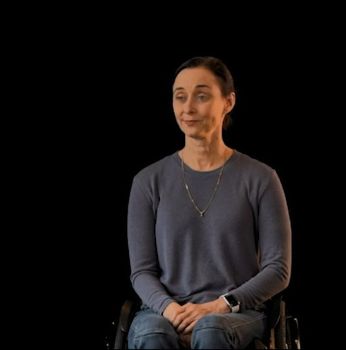 "Interview with Michelle Ryan" Michelle Ryan is the artistic director of Restless Dance Theatre and has extensive experience as a dancer and performer. Interview Summary Michelle Ryan, the artistic director of Restless Dance Theatre, shares her journey from being a successful dancer diagnosed with multiple sclerosis at 30 to becoming an advocate for artists with disabilities. Despite her initial hesitations to perform with her disability, a positive experience dancing with a European company reignited her passion and led her to Restless Dance Theatre, where she aims to change perceptions of who can create art. Michelle emphasizes the importance of providing professional opportunities and proper compensation for disabled artists, challenging the notion that disability work is charity or hobbyist. She advocates for representation that is genuine and not tokenistic, ensuring the inclusion of people with disabilities is meaningful and respectful.
-
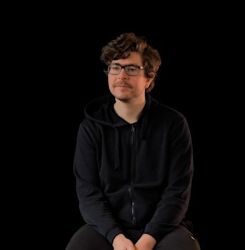 "Interview with Michael Noble" Michael Noble is a professional dancer and performer and has been with Restless Dance Theatre since 2015. Interview Summary Michael Noble is an ex-foster kid turned contemporary dancer at Restless Dance Theatre, who started in arts as an outlet for expression. His dance style has evolved from literal interpretations to more abstract movements, as Restless has supported his growth and mental health needs. Being in a company that accommodates artists with disabilities has led Michael to explore his own neurodivergence, specifically relating to being on the autism spectrum. He believes art, including the political, is less about the message itself and more about being the messenger for another's vision or interpreting and sharing one's own perspectives.
-
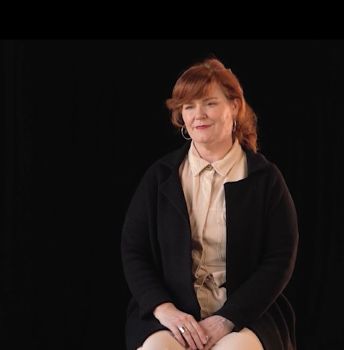 "Interview with Julie Moralee" Julie Moralee is the Chief Executive Officer of Restless Dance Theatre, bringing a wealth of experience in marketing, business development, and festival organisation within the arts sector. Her leadership focuses on showcasing the talents of artists with disability and ensuring sustainable employment opportunities in the arts. Interview Summary Julie Moralee is the CEO of Restless Dance Theatre, where she has focused on promoting the talent and abilities of artists with disability. With a commitment to ensuring sustainable full-time employment in the arts for these artists, she emphasises the importance of audience impact and high-quality performances as measures of success. Julie is mindful of the challenges and perceptions within the disability arts sector and envisions a future where the label "disability art" becomes obsolete, as the quality of the work transcends its creators
-
 "Interview with Mike Moshos" Mike Moshos is a creative director, writer, actor and disability advocate. Interview Summary Mike Moshos is an arts worker and creator living with achondroplasia who provides support to young adult artists with disabilities and engages in community theatre and interactive performances for children with special needs. His personal experiences and growing political awareness have led him to advocate for the rights of disabled individuals and strive for equity in the arts. Mike has a deep passion for storytelling and is currently writing a science fiction novel while enjoying his role as Bing in an interactive children's show. He believes that all art is inherently political and that every piece of work, whether overtly or subtly, expresses a stance on societal issues.