
Items
Search full-text
CALD Arts and Artists
Class
CreativeWork
-
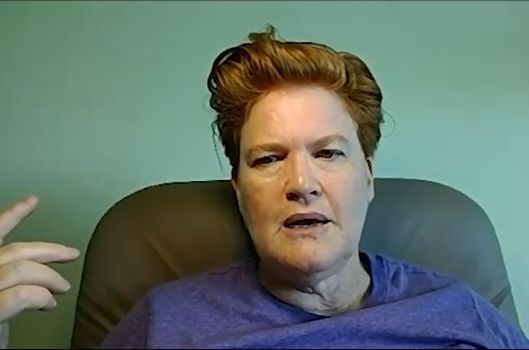 "Interview with Michèle Saint-Yves" Michèle Saint-Yves is a playwright, filmmaker, poet, and director. Interview Summary Michèle Saint-Yves’ background includes a colonial upbringing in Pacific territories, a Scottish boarding school education, and a complex personal journey of confronting her own inherent racism and colonial legacy, particularly through her writing. Her work as an artist with disability is deeply informed by her sense of otherness and focuses on creating inclusive performance-based work that challenges mainstream audiences and systems, aiming for transformative experiences that impact disability justice and community. Michèle actively embraced the social model of disability, which shifted her understanding of herself and her art, and has received recognition for her pioneering work with the prize-winning show "Clock for No Time." However, recognising the social model’s limitations, her current creative endeavours are concerned with 'access intimacy' and evaluating the lasting impact of her performances, in collaboration with other artists and through research grants.
-
 "Access Arts - Our Artists 2024 " Access Arts Visual Artists profile page, reads, in part "Access Arts’ talented visual artists work across a range of mediums such as painting, photography, drawing, collage and mosaic."
-
 "Tutti Arts - Say No More - Promotional Poster" Tutti Arts - Say No More' 2018 Poster - reads, in part "26 Women, 3 Countries, ONE WEDDING"
-
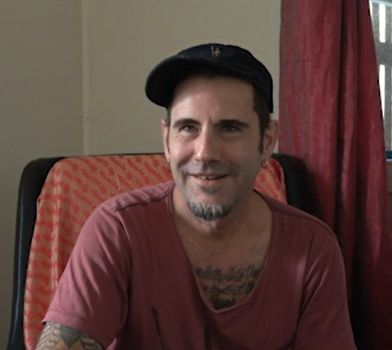 "Interview with Jeremy Hawkes" Jeremy Hawkes is a multidisciplinary artist working in sculpture, drawing, painting and photography as well as being a writer, educator and disability arts leader. Interview Summary Jeremy Hawkes, a visual artist, opened up about his life and identity during his interview. After a debilitating workplace accident, he had to reimagine his sculptural practice due to his acquired disability and ventured into drawing, which helped him cope with multiple operations and diagnoses. Jeremy's art explores themes of identity and the interconnectedness between the macro and the micro, drawing inspiration from neurobiology and medical imagery. Despite his struggles, Jeremy commits to his studio daily, aims for success without fear, and advocates for greater visibility and opportunities for artists with disabilities.
-
 "Australia Council - Annual Report 1986-87" Australia Council Annual Report 1986-87- discusses functions and objectives, structures, process and membership of Council, Council Committees and members, board members, assessment panels, staff lists, organisation chart, main activities of Council and its Boards, and includes financial statements and lists of grants made including grants for programs, workshops for disabled people in community arts, funding for posters on theme of disability, grant for Theatre of the Deaf Braille Book of the Year award and Sound Pot Purri literary magazine for Royal Blind Society
-
 "Australia Council - Annual Report 1982-83" Australia Council - Annual Report Australia Council Annual Report 1982-83 - discusses objectives, members of council, board members, organisation chart, staff list, council report, programs, board reports, financial statements, publications and grant lists including workshops, art production activities, production of magazine, award and performances.1982-83
-
 "Access Arts - Brisbane Outsider Artists 2008" Access Arts Brisbane Outsider Artists (BOA) Studio/Programs page, with information about artists, and exhibitions, and examples of work
-
 "Tutti Arts - Beastly Exhibition - Georgetown Festival Malaysia - Promotional Card" Tutti Arts 'Beastly' Exhibition 2016 Georgetown Festival Malaysia - Promotional Card
-
 "Australia Council - Making the Journey: Arts and Disability in Australia" Reads, in part "A collection of inspiring examples of how to include people with disabilities in the arts, as participants, creators and organisers"
-
 "Australia Council - Annual Report 1989-90" Australia Council Annual Report 1989-90 - discusses objectives, highlights, support for artform development, main activities of Council and its Boards, and includes financial statements and lists of grants made including grants for conferences, access and touring, programs training and resource development as well as publications such as “The Arts and People with Disabilities”
-
 "Australia Council - Annual Report 1988-89" Australia Council Annual Report 1988-89 - discusses objectives, Council Committees and members, board members, allocation chart, main activities of Council and its Boards, and includes financial statements and lists of grants made including grants for community cultural development traineeships, training, programs, projects, performances and promotion and publications including “The Arts and People with Disabilities: A code of practice for arts organisations.”
-
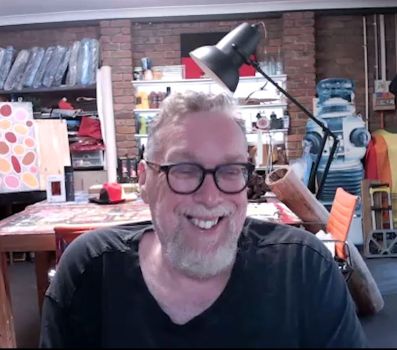 "Interview with Paul Constable Calcott" Uncle Paul Constable Calcott is a proud Wiradjuri man and artist living with a disability on Gubbi Gubbi country….. Uncle Paul uses his art to share stories of his journey as an aboriginal gay man living with a disability in urban Australia. Interview Summary Uncle Paul Calcott is a proud Wiradjuri elder and disability advocate who contracted polio as a child. During the interview, Uncle Paul discusses becoming an artist later in life through the encouragement of his husband and influenced by the storytelling of his culture. He embraces his identity as an Aboriginal, gay man living with disability. He talks about his artwork aiming to celebrate the achievements and contributions of people with disabilities, using traditional symbols to tell new stories, particularly about disability within Indigenous communities. Although there has been increased visibility and acknowledgment of disability arts in Australia, Paul notes that there's still a long way to go in terms of policy, funding, and public recognition. Uncle Paul says art can reflect political and social issues, and he proudly identifies as an artist with a disability and believes in the significance of diverse stories being told through the arts.
-
 "Australia Council - Annual Report 2018-19" Australia Council - Annual Report 2018-19 - reads, in part "This year the Council made a new commitment of $750,000 over three years to support structured mentorships and two new national awards for artists with disability. Empowering and celebrating artists with disability is imperative in ensuring that Australia’s rich diversity is truly reflected across the breadth of our arts."
-
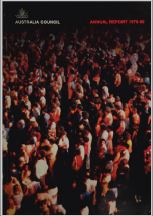 "Australia Council - Annual Report 1979-80" Australia Council Annual Report 1979-80 discusses members of council, standing committees and board reports as well as financial statements, grants lists, planning for the nternational Year of Disabled Persons (IYDP) 1981 including publications of a study to identify options of disabled gaining greater access to the arts and programs and grants for Braille and Talking Book Library for its Braille Book of the Year, salaries of staff and funding for production of “The Threepenny Opera”, workshops and travel costs of NSW Theatre of the Deaf, funding for residents of the Lorna Hodgkinson Sunshine Home for the intellectually handicapped who gave a performance at the Sydney Opera House
-
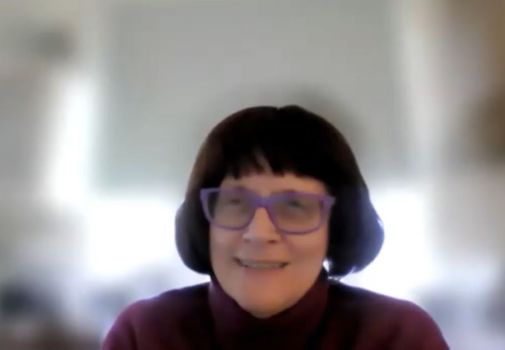 "Interview with Janice Florence" Janice Florence is a performing artist and disability advocate. She originally trained as a Teacher and Librarian. Janice has worked in Education and Libraries for many years and in disability advocacy for 20 years She has worked in Training and Consultation at Arts Access Vic for 12 years. Janice has been involved in theatre, dance and human movement for over 35 years. For 25 years she has been the Artistic Director of Weave Movement Theatre, comprising disabled and non-disabled performers. Weave has produced many devised original works often with respected performing artists as collaborators. She was the inaugural recipient of the Australia Council Awards for Disability Arts-Established Artist in 2019. Interview Summary Janice Florence is a veteran performer and Artistic Director of Weave Movement Theatre, which includes disabled performers. During the interview, Janice reflected on her extensive history with dance, both prior to and after acquiring her disability, highlighting the significance of political and personal themes, as well as the use of humour in her work. She discussed the ongoing challenges in securing accessible rehearsal and performance spaces, along with the complexities of funding and recognition within the Disability Arts scene in Australia. Janice also acknowledged the importance of Disability Arts historically and its potential for challenging societal expectations regarding disability.
-
 "AccessArts - Asia Pacific Wataboshi Music Festival" Poster for Asia Pacific Wataboshi Music Festival 2003
-
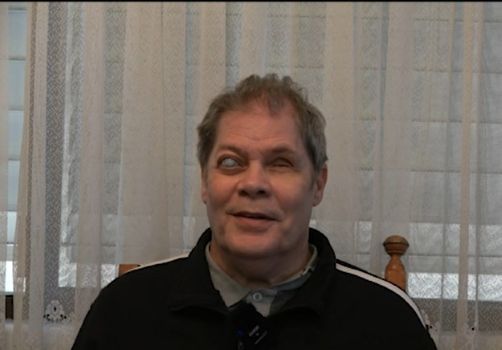 "Interview with Jeff Usher" Jeff Usher is a jazz and blues composer, arranger, pianist, vocalist, teacher, lecturer, and music consultant. Interview Summary Jeff Usher is a visually impaired Australian jazz musician with a rich history of playing music since childhood, influenced by a significant early encounter with the Jazz Action Society and key individuals like his high school music teacher Kathleen Kerr and his supportive family. Throughout his career, he has worked with a diverse range of musicians across many genres, including country, rock, and church music, and has expanded his repertoire to include political and spiritual themes, often infused with his synaesthetic experience of colour. Despite a broad professional experience, his engagement with the disability arts space developed over time, particularly through collaboration with other disabled artists, and he values working with good artists regardless of their backgrounds or disabilities. He is deeply committed to his craft, finding a balance between the aesthetic quality of his work and the joy it brings, both to himself and his audiences.
-
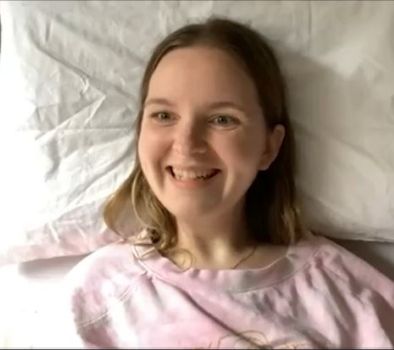 "Interview with Jess Cochran" Jess Cochran (they/them) is an actor, model, writer and disability advocate. Interview Summary: Jess Cochran is a queer, non-binary, neurodivergent, performing artist, advocate, writer, and consumer consultant with a background in both physical and psychosocial disabilities. Their journey into the performing arts began accidentally with a role in the Awards winning Melbourne Fringe Festival production, Qualia, which opened doors to more local and international Awards-winning work in film and stage. Jess identifies proudly with their disabilities and considers their art both a personal expression and a political act aimed at highlighting the issues faced by the disability community. Jess’s work spans across writing, modelling, and various performance arts, and they wish to see an increase of disability arts representation in mainstream media with authentic casting, opportunities and improved accessibility for disabled performers. Jess is also passionate about highlighting intersectionality in disability arts.
-
 "High Beam Festival Program 2004" High Beam Festival Program 2004 reads "Welcome to evolve High Beam 2004 – A stimulating and inspiring seven-day cultural experience for people with a disability, families, friends and support workers, artists with a disability, professionals working in the disability sector, art workers and others."
-
 "Access Arts - Brisbane Outsider Artists 2014" Access Arts Brisbane Outsider Artists (BOA) Studio/Programs page, with information about artists, and exhibitions, and examples of work
-
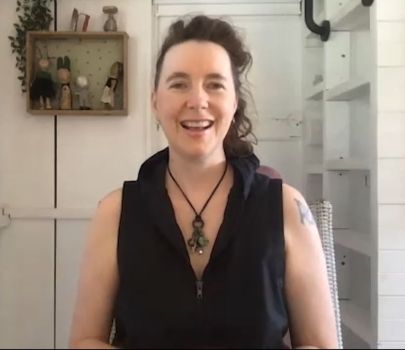 "Interview with Asphyxia" Asphyxia is an artist, author, activist and performer who has founded Amplio, a music app for Deaf and hard of hearing people. She also provides free online Auslan lessons and online art courses. Interview Summary Asphyxia is a Deaf artist whose journey into the arts started with a deep love for ballet, but after facing discrimination due to her Deafness, she pivoted to a successful career in circus performance and later puppetry, which embraced her Deafness and signing skills. Her work in performance art led her to write and illustrate the Awards-winning art-journal book, Future Girl, which explores Deaf identity and environmental issues. She has now moved into music, creating an app that makes music accessible and writing music designed with Deaf and hard of hearing audiences in mind. Although not sure about the major milestones in disability arts history in Australia, she considers her art to be both political and personal, often tackling issues related to her identity as a Deaf person and the aesthetics of disability equipment. While Asphyxia identifies as a Deaf artist, above all, she sees herself as an artist whose work appeals to the mainstream while celebrating Deafness and diversity.
-
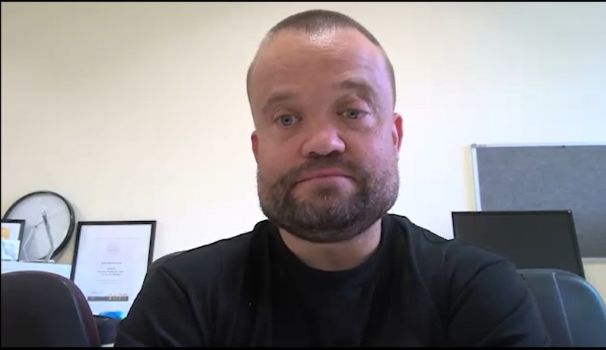 "Interview with Jeremy Smith" Jeremy Smith is a Senior Producer in Western Australia at Performing Lines, has a long career across community, experimental and performing arts, is a disability advocate and previously worked in Australia Council for the Arts (now Creative Australia) as Director – Community Arts and Experimental Arts. Interview Summary Jeremy Smith has vast experience in the arts including working as a director with Australia Council (Creative Australia). Jeremy is currently an arts worker in the performing arts sector. While Jeremy lives with Achondroplasia, he has not always identified as disabled however a transformative project for the 2016 Perth Festival led him to embrace his identity as a disabled person with pride recognising the complexities surrounding personal identification with disability. Jeremy talks about artists and organisations he finds inspirational who are leading change in the disability arts sector and his motivation to also advocate for inclusion and the evolution of public perception of disability arts work.
-
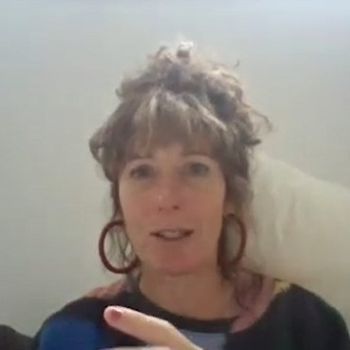 "Interview with Jodee Mundy OAM" Jodee Mundy OAM is a Disabled creative director, performer, writer, activist, creative producer, executive producer, commissioner, interpreter, film, festival maker and cultural leader. Interview Summary Jodee Mundy OAM, is an artist and festival director who identifies as Coda (child of Deaf adults) and lives with chronic illness reflects on the historical and ongoing challenges faced by Deaf and Disabled artists in Australia. Her work is deeply political, aiming to tell untold stories and bring visibility to marginalized communities. Despite significant achievements, Jodee stresses the need for structural support and inclusivity within the industry, especially given the limitations of hybrid access models post-pandemic. Jodee's personal journey, including her recent incurable cancer diagnosis, shapes her advocacy for a culture of care and well-being in the arts. Jodee leads Alter State, Australia’s Disability- led arts festival presented by Arts Centre Melbourne and Arts Access Victoria.
-
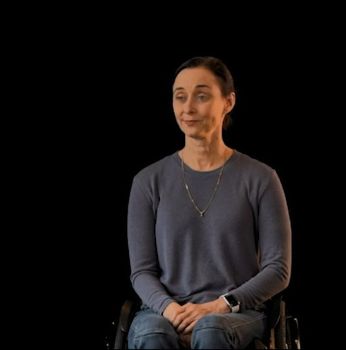 "Interview with Michelle Ryan" Michelle Ryan is the artistic director of Restless Dance Theatre and has extensive experience as a dancer and performer. Interview Summary Michelle Ryan, the artistic director of Restless Dance Theatre, shares her journey from being a successful dancer diagnosed with multiple sclerosis at 30 to becoming an advocate for artists with disabilities. Despite her initial hesitations to perform with her disability, a positive experience dancing with a European company reignited her passion and led her to Restless Dance Theatre, where she aims to change perceptions of who can create art. Michelle emphasizes the importance of providing professional opportunities and proper compensation for disabled artists, challenging the notion that disability work is charity or hobbyist. She advocates for representation that is genuine and not tokenistic, ensuring the inclusion of people with disabilities is meaningful and respectful.
-
 "Access Arts -Our Artists" Website reads "Access Arts’ talented visual artists work across a range of mediums such as painting, photography, drawing, collage and mosaic."