
Items
Search full-text
CALD Arts and Artists
Class
CreativeWork
-
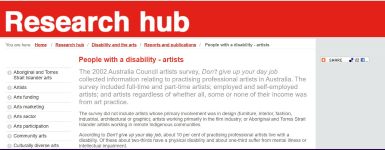 “Australia Council - People with a disability - artists 2003” Sourced from 'Australia Council- Don’t give up your day job: An Economic Study of Professional Artists in Australia' (Throsby and Hollister 2003) based on 2002 Survey - The website reads “The 2002 Australia Council artists survey, Don't give up your day job collected information relating to practising professional artists in Australia…..According to Don't give up your day job, about 10 per cent of practising professional artists live with a disability.”
-
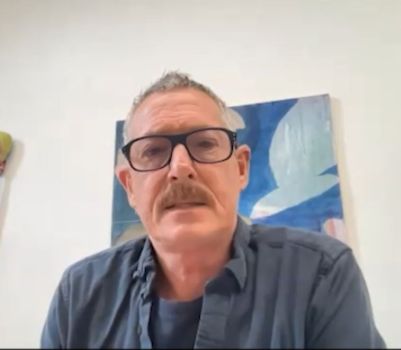 "Interview with David Doyle" David Doyle is the Executive Director of DADAA and has spent over 30 years leading large-scale Community Arts and Cultural Development (CACD) and arts projects globally and in Western Australia, significantly contributing to the arts and disability sectors through his work with DADAA and his dedication to community wellbeing and access to arts and culture. Interview Summary David Doyle, who originally trained in printmaking and ceramics with a background in community arts, has worked extensively in community arts and cultural development with a focus on addressing social issues through the arts. His experience with a disability from a young age and a deep understanding of power dynamics and privilege have influenced his motivation and commitment to disability arts in Australia. David highlights the significance of the Disability Discrimination Act and NDIS in empowering artists with disabilities and notes the uneven distribution of resources for disability arts across Australia. As the leader of an arts organization, he values the transition of power to individual artists with disabilities, stressing the importance of equipping them with the skills and contacts needed to lead and redefine the sector.
-
 “Australia Council - Artists with Disability Program 2014” The website reads “The Artists with Disability Program provides funding for Australian artists with disability (including Deaf artists) to create, develop, present, produce, exhibit and/or tour their work”
-
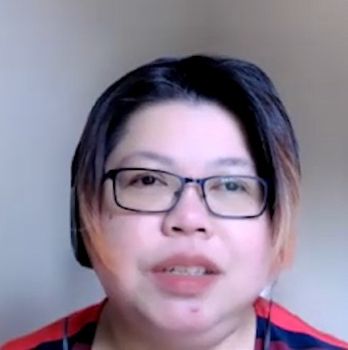 "Interview with CB Mako" CB Mako is a non-fiction, fiction and fanfiction writer and disability advocate. Interview Summary cubbie||CB Mako is a creative practitioner and disability advocate who emphasizes the importance of accessibility in the arts, advocating for digital inclusivity and the elimination of ableist practices. cubbie pushes for systemic change so that future generations, like their disabled child, don't have to fight for access to art and literature. Success for cubbie is defined by the progress made when institutions include disability in their funding, competitions, and programming. Using the pen name CB Mako and going by pronouns cubbie/they/them, urges non-disabled artists, particularly from communities of colour, to proactively incorporate access in their work.
-
 "Access2Arts - You Tube - Access2Arts Video UNCRPD Article #27 Work and employment" Access2Arts - You Tube - Access2Arts video on United Nations Convention on the Rights of People with Disabilities Article #27 Work and employment - reads, in part "Article #27 of the United Nations Convention of the Rights of People with Disabilities that deals withWork and employment, told by Deaf and disabled people. An Access2Arts Production made possible with support from the City of Adelaide."
-
 "Access2Arts - You Tube - Access2Arts Video UNCRPD Article #5 Equality and non discrimination" Access2Arts - You Tube - Access2Arts video on United Nations Convention on the Rights of People with Disabilities Article #5 Equality and non discrimination - reads, in part "Article #5 of the United Nations Convention of the Rights of People with Disabilities that deals with Equity and non-discrimination, told by Deaf and disabled people. An Access2Arts Production made possible with support from the City of Adelaide.
-
 "Access2Arts - You Tube - Access2Arts Video UNCRPD Article #30 Participation in cultural life, recreation, leisure and sport" Access2Arts - You Tube - Access2Arts video on United Nations Convention on the Rights of People with Disabilities Article #30 Participation in cultural life, recreation, leisure and sport - reads, in part "Article #30 of the United Nations Convention of the Rights of People with Disabilities that deals with Participation in cultural life, recreation, leisure and sport, told by Deaf and disabled people. An Access2Arts Production made possible with support from the City of Adelaide."
-
 "Access2Arts - You Tube - Access2Arts Video UNCRPD Article #19 Living independently and being included in the community " Access2Arts Article #19 Living independently and being included in the community - https://www.youtube.com/watch?v=uoqeaDFEjlE
-
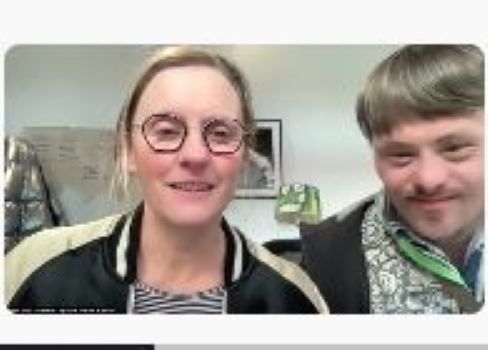 "Interview with Luke Cambpell and Kelly Drummond Cawthon" Luke Campbell is a theatre performer, writer and director and has been with Second Echo since 2015. Interview Summary In the interview Luke Campbell and Kelly Drummond Cawthon from Second Echo Ensemble share insights into their creative processes and the significance of their work. Luke, a core artist for the ensemble, emphasizes the role of deep listening and communication in his art, comparing his work to a meditative exploration of sound and connection, akin to the themes in the movie "Avatar." Kelly, as the ensemble's creative director, highlights the importance of presenting their work across diverse platforms to reach broader audiences and foster inclusive discussions. Throughout the conversation, they express views on the challenges and perceptions surrounding disability arts, advocating for recognition of diverse voices and stories in the arts community.
-
 "Arts and Disability: A research summary" Australia Council - Arts and Disability: A research summary, 2018 - reads, in part "The great art created by artists with disability, and participation of people with disability in the arts, are integral to the artistic and cultural life of Australia. This summary brings together findings from Australia Council research publications and a research overview compiled by the Meeting of Cultural Ministers to build the evidence base about disability and the arts."
-
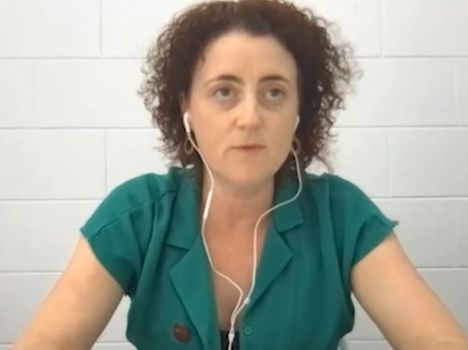 "Interview with Alison Richardson" Alison Richardson is an ally and advocate for people with disability with experience as an inclusive arts organisation artistic director and access and inclusion officer. Interview Summary Alison Richardson, artistic director and CEO of Crossroad Arts at the time of the interview, has had a 25-year journey through the fields of drama, theatre, and inclusive arts, starting in Sydney and leading to her role in Mackay, Queensland. Her work began by engaging with diverse young people and evolved into a focus on disability arts, recognising a gap in services and opportunities for people with disabilities in artistic expression. Throughout her career, she has witnessed and contributed to the gradual increase in visibility and opportunities for artists with disabilities, acknowledging the fluctuating support and funding in the sector. Despite challenges, Alison has observed progress in how disability arts are valued and the emergence of conversations around identity and representation within this community.
-
 "Tutti Arts - Shedding Light Installations and Performances - Program" Tutti Arts and Perspektiv - 'Shedding Light' Installations and Performances 2015 Program - reads, in part "“Shedding light is the result of an extraordinary collaboration between disabled artists from Tutti Arts in Adelaide and young people with disability in Yogyakarta, Indonesia. Working with professional artists we have created this series of installations and performances for the 2015 OzAsia Festival.”
-
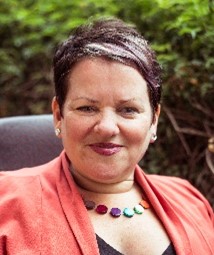 "Interview with Caroline Bowditch" Caroline Bowditch is an Australian artistic director, leader, performer, presenter, instructor, disability advocate and was the CEO of Arts Access Victoria. Interview Summary Caroline Bowditch, the CEO and Artistic Director of Arts Access Victoria, shared her journey as a performance artist and her experiences working within the Disability Arts community, highlighting her creative process and the challenges faced by disabled artists in Australia. Despite significant support and successful projects in the UK, she expressed concern over the limited progression and exposure of Disability Arts in Australia, noting a lack of ambition and opportunity deterring artists from aiming for larger, mainstream stages. Bowditch emphasized the importance of integrating access as a core component of artistic work and changing the aesthetic by including diverse bodies and perspectives. She also discussed tackling intersectionality within Disability Arts, reflecting on her own experiences as a visibly disabled and queer woman, and contemplating the future of Disability Arts, the desire for cultural equity, and the impact of potential shifts in societal barriers.
-
 "Tutti Arts - Standing Up Standing Out - Promotional Card" Tutti Arts 'Standing Up Standing Out' Exhibition 2018 Promotional Card - reads, in part "Standing Up, Standing Out will see Tutti Arts visuals artists come tog.ether with the Sikh community to engage in cultural discourse. Artists will embellish turban cloth with their art, engaging in a mutual exchange of sacred objects, turbans and_ art. Gracing the gallery •n their unwrapped state, these turbans will be accompanied by a series of photographic works that capture this dewtoping relationship. Reflecting the different styles of the artists, the works willl be bold and colourful with details and textures that invite the viewer to take a closer look."
-
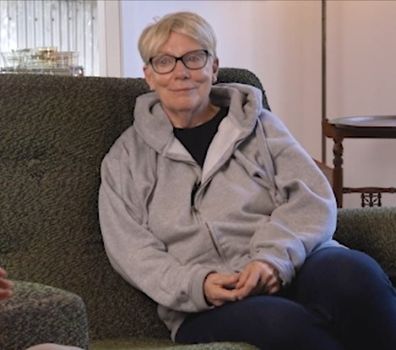 "Interview with Pat Rix" Pat Rix is a Disability Ally and Social Change advocate, and the recently retired Founder and CEO of TUTTI ARTS Incorporated. Interview Summary Pat Rix is an Artistic Director who has made extraordinary and sustained contributions to Australia’s cultural life through her artistic practice and leadership. A significant arts contributor since 1985, Pat made her early mark through plays and music-theatre productions which drew attention to social injustice and championed social inclusion. Her journey in disability arts began in 1997 with the formation of an inclusive choir at Minda Inc. which in 2001 incorporated to become the independent multi arts organisation known as ‘Tutti’ - embodying the inclusive Italian term meaning ‘everyone’. At a time when there were no vocational pathways for learning disabled and neuro divergent people, Tutti became a national trailblazer in creating a work environment where learning disabled and neuro diverse artists could create visual art, theatre, music, film and experimental art in a way that authentically nurtured their professional growth and recognition. Pat stresses the importance of disabled artists having control over their work. She believes that art is inherently political, and that it is finding your voice, being heard and being taken seriously that contributes to any artist's success. Pat looks forward to the future evolution of disability arts and the role of technology in enabling disabled artists to develop local and global partnerships which continue to provide exciting opportunities for artistic development.
-
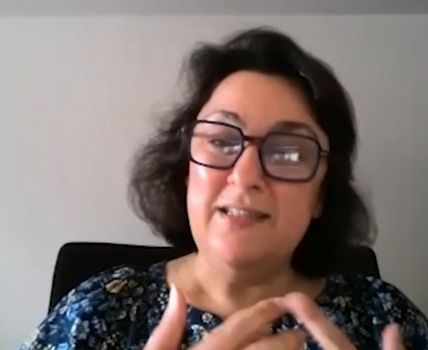 "Interview with Veronica Pardo" Veronica Pardo is a disability arts ally and has been a disability advocate with previous leadership positions in organisations such as Arts Access Victoria and Multicultural Arts Victoria, Interview Summary Veronica Pardo, former Executive Director of Arts Access Victoria, discussed the evolution and impact of Disability Arts in Australia, detailing the political dimensions of the field and the importance of genuine representation and intersectionality. Pardo highlighted the importance of leadership transitions in arts organizations informed by a spirit of solidarity and mutual support, particularly citing Caroline Bowditch's role as significant in the sector. She emphasized a need for systems-level change within the arts to reflect true diversity, beyond tokenism, advocating for dismantling exclusive structures and creating new ones informed by those marginalized. Finally, Pardo stressed the importance of acknowledging the work of predecessors in Disability Arts to honour their legacy and inform current artistic and cultural practices.
-
 "Crossroad Arts Annual Report 2011" Crossroad Arts Annual Report 2011 - Artistic Director/CEO Report, history, program, key statistics for the year
-
 "Crossroad Arts Annual Report 2013" Crossroad Arts Annual Report 2013 - Project Reports
-
 "Tutti Arts - Kamal - Promotional Card" Tutti Arts 'Kamal' Exhibition Promotional Flyer - reads, in part " Kamal sees Tutti Arts visual artists come together with the Sikh community to explore the lotus flower and its place in Sikh culture. The artists have all faced adversity but, like the lotus, they strive for the light and create beauty through their art.
-
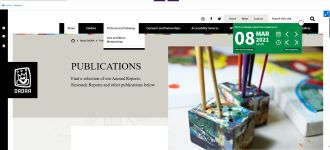 "DADAA Publications Webpage, captured 2021" DADAA Publications Webpage, captured 2021 - Annual Reports 2014-2019, Newsletters 2016-2019, and research reports, including Art Works: Employment in the Arts for People with Disability (2012), and Same Drum CACD Project With Young People from Migrant and Refugee Backgrounds (2018), Oddysea project with Sensorium Theatre (2014), the Lost Generation project (2011)
-
 "Interview with Patricia Wozniak" Patricia Wozniak is a neurodivergent visual arts coordinator at Tutti Arts and is a disability arts advocate and ally. Interview Summary Patricia Wozniak, a visual arts coordinator at Tutti Arts with 14-15 years of experience, initially volunteered while studying for her master's and found joy and liberation in making art with the organisation. Tutti Arts has grown from offering two days to five days of visual arts each week and supports artists to enjoy creating, access quality materials, and earn income. While faced with challenges like NDIS funding intricacies and the need for easy-to-understand contracts, Patricia emphasizes the importance of artist-driven practice and equal opportunities. She observes a shift toward digital art and commercial endeavours among artists and asserts the vitality of educating artists about their rights and the political aspect of disability art in cultivating change and expression of identity.
-
 "Tutti Arts - Beastly Exhibition - Program" Tutti Arts and Stepping Stone 'Beastly Exhibition' Program - reads, in part "BEASTLY is the first fruit of a growing relationship between learning disabled artists and their supporters in Australia, Malaysia and Indonesia. This collaboration seeks to democratise art further through including work driven by learning disabled artists in international festivals"
-
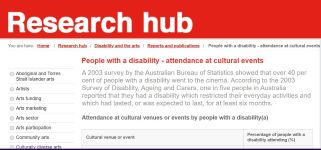 “Australia Council - People with a disability - attendance at cultural events 2008" Australia Council - People with a disability - attendance at cultural events 2008 - reads, in part "A 2003 survey by the Australian Bureau of Statistics showed that over 40 per cent of people with a disability went to the cinema. According to the 2003 Survey of Disability, Ageing and Carers, one in five people in Australia reported that they had a disability which restricted their everyday activities and which had lasted, or was expected to last, for at least six months."
-
 "Australia Council - Access and audience development in Australia" Australia Council - 'Access and audience development in Australia' reports - reads, in part "These reports were commissioned in 2004 to assess what is currently being done, and what needs to be done, to increase access to the performing arts and museums & galleries in Australia for people with a disability."
-
 "Australia Council - Annual Report 1997-98" Australia Council Annual Report 1997-98 - discusses letter from chair of council, functions, profile, organisation chart, corporate overview, year in review, arts funding, main activities of Council and its Boards, and includes professional development activities, financial statements and lists of grants made including grants for programs, projects, information and advocacy with producing a set of Disability Fact Packs exploring the importance of accessibility for arts and cultural organisations and a guide to marketing arts to disabled audience