Items
Search full-text
LGBTIQA+ Arts and Artists
Class
CreativeWork
-
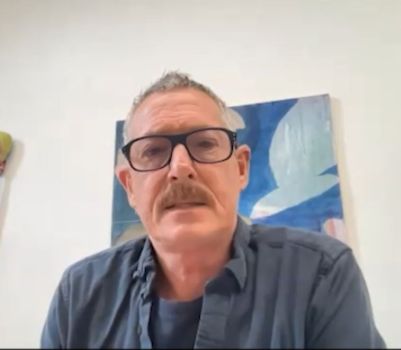 "Interview with David Doyle" David Doyle is the Executive Director of DADAA and has spent over 30 years leading large-scale Community Arts and Cultural Development (CACD) and arts projects globally and in Western Australia, significantly contributing to the arts and disability sectors through his work with DADAA and his dedication to community wellbeing and access to arts and culture. Interview Summary David Doyle, who originally trained in printmaking and ceramics with a background in community arts, has worked extensively in community arts and cultural development with a focus on addressing social issues through the arts. His experience with a disability from a young age and a deep understanding of power dynamics and privilege have influenced his motivation and commitment to disability arts in Australia. David highlights the significance of the Disability Discrimination Act and NDIS in empowering artists with disabilities and notes the uneven distribution of resources for disability arts across Australia. As the leader of an arts organization, he values the transition of power to individual artists with disabilities, stressing the importance of equipping them with the skills and contacts needed to lead and redefine the sector.
-
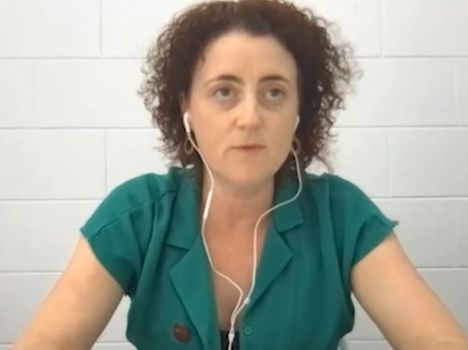 "Interview with Alison Richardson" Alison Richardson is an ally and advocate for people with disability with experience as an inclusive arts organisation artistic director and access and inclusion officer. Interview Summary Alison Richardson, artistic director and CEO of Crossroad Arts at the time of the interview, has had a 25-year journey through the fields of drama, theatre, and inclusive arts, starting in Sydney and leading to her role in Mackay, Queensland. Her work began by engaging with diverse young people and evolved into a focus on disability arts, recognising a gap in services and opportunities for people with disabilities in artistic expression. Throughout her career, she has witnessed and contributed to the gradual increase in visibility and opportunities for artists with disabilities, acknowledging the fluctuating support and funding in the sector. Despite challenges, Alison has observed progress in how disability arts are valued and the emergence of conversations around identity and representation within this community.
-
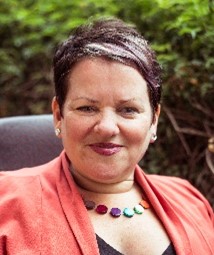 "Interview with Caroline Bowditch" Caroline Bowditch is an Australian artistic director, leader, performer, presenter, instructor, disability advocate and was the CEO of Arts Access Victoria. Interview Summary Caroline Bowditch, the CEO and Artistic Director of Arts Access Victoria, shared her journey as a performance artist and her experiences working within the Disability Arts community, highlighting her creative process and the challenges faced by disabled artists in Australia. Despite significant support and successful projects in the UK, she expressed concern over the limited progression and exposure of Disability Arts in Australia, noting a lack of ambition and opportunity deterring artists from aiming for larger, mainstream stages. Bowditch emphasized the importance of integrating access as a core component of artistic work and changing the aesthetic by including diverse bodies and perspectives. She also discussed tackling intersectionality within Disability Arts, reflecting on her own experiences as a visibly disabled and queer woman, and contemplating the future of Disability Arts, the desire for cultural equity, and the impact of potential shifts in societal barriers.
-
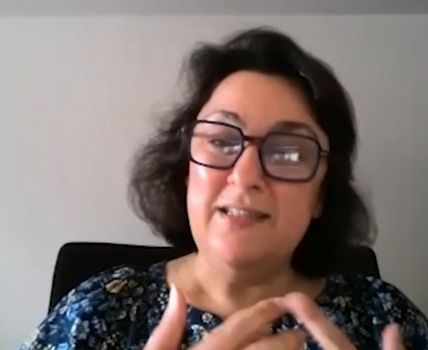 "Interview with Veronica Pardo" Veronica Pardo is a disability arts ally and has been a disability advocate with previous leadership positions in organisations such as Arts Access Victoria and Multicultural Arts Victoria, Interview Summary Veronica Pardo, former Executive Director of Arts Access Victoria, discussed the evolution and impact of Disability Arts in Australia, detailing the political dimensions of the field and the importance of genuine representation and intersectionality. Pardo highlighted the importance of leadership transitions in arts organizations informed by a spirit of solidarity and mutual support, particularly citing Caroline Bowditch's role as significant in the sector. She emphasized a need for systems-level change within the arts to reflect true diversity, beyond tokenism, advocating for dismantling exclusive structures and creating new ones informed by those marginalized. Finally, Pardo stressed the importance of acknowledging the work of predecessors in Disability Arts to honour their legacy and inform current artistic and cultural practices.
-
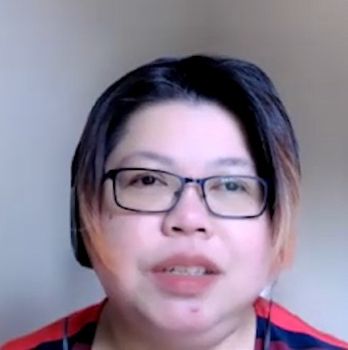 "Interview with CB Mako" CB Mako is a non-fiction, fiction and fanfiction writer and disability advocate. Interview Summary cubbie||CB Mako is a creative practitioner and disability advocate who emphasizes the importance of accessibility in the arts, advocating for digital inclusivity and the elimination of ableist practices. cubbie pushes for systemic change so that future generations, like their disabled child, don't have to fight for access to art and literature. Success for cubbie is defined by the progress made when institutions include disability in their funding, competitions, and programming. Using the pen name CB Mako and going by pronouns cubbie/they/them, urges non-disabled artists, particularly from communities of colour, to proactively incorporate access in their work.
-
 "Access2Arts - You Tube - Access2Arts Video UNCRPD Article #27 Work and employment" Access2Arts - You Tube - Access2Arts video on United Nations Convention on the Rights of People with Disabilities Article #27 Work and employment - reads, in part "Article #27 of the United Nations Convention of the Rights of People with Disabilities that deals withWork and employment, told by Deaf and disabled people. An Access2Arts Production made possible with support from the City of Adelaide."
-
 "Access2Arts - You Tube - Access2Arts Video UNCRPD Article #5 Equality and non discrimination" Access2Arts - You Tube - Access2Arts video on United Nations Convention on the Rights of People with Disabilities Article #5 Equality and non discrimination - reads, in part "Article #5 of the United Nations Convention of the Rights of People with Disabilities that deals with Equity and non-discrimination, told by Deaf and disabled people. An Access2Arts Production made possible with support from the City of Adelaide.
-
 "Access2Arts - You Tube - Access2Arts Video UNCRPD Article #30 Participation in cultural life, recreation, leisure and sport" Access2Arts - You Tube - Access2Arts video on United Nations Convention on the Rights of People with Disabilities Article #30 Participation in cultural life, recreation, leisure and sport - reads, in part "Article #30 of the United Nations Convention of the Rights of People with Disabilities that deals with Participation in cultural life, recreation, leisure and sport, told by Deaf and disabled people. An Access2Arts Production made possible with support from the City of Adelaide."
-
 "Access2Arts - You Tube - Access2Arts Video UNCRPD Article #19 Living independently and being included in the community " Access2Arts Article #19 Living independently and being included in the community - https://www.youtube.com/watch?v=uoqeaDFEjlE
-
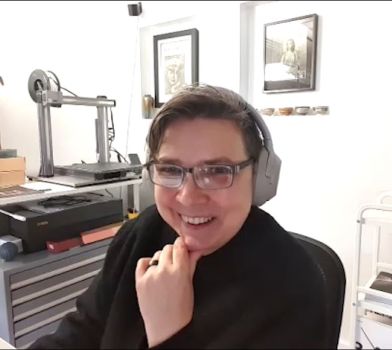 "Interview with Alison Bennett" Dr Alison Bennett is a senior lecturer in photography at RMIT School of Art specialising in expanded photography, webXR, queer and feminist creative practices. Interview Summary Alison Bennett, an artist and academic, spoke about her work in expanded photography, their experiences with autism, and the intersection of disability discourse with queer activism in their life and work. Their current project, vegetal/digital, arose from their experiences during the pandemic and connects audiences with plant sentience through interactive digital art. Alison also discussed the political nature of their work, aiming to shift ontological frameworks and exploring new modes of engagement through art. They reflected on the significant cultural changes regarding neurodiversity in the last few decades, highlighting the growing self-advocacy among autistic artists and their increasing impact in the arts.
-
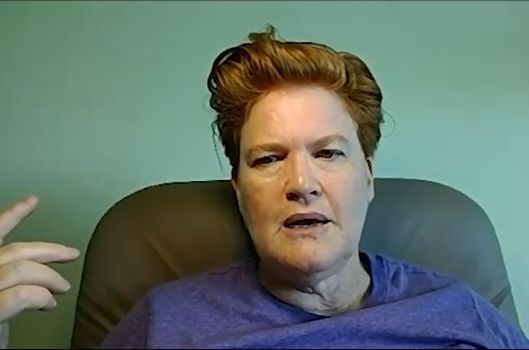 "Interview with Michèle Saint-Yves" Michèle Saint-Yves is a playwright, filmmaker, poet, and director. Interview Summary Michèle Saint-Yves’ background includes a colonial upbringing in Pacific territories, a Scottish boarding school education, and a complex personal journey of confronting her own inherent racism and colonial legacy, particularly through her writing. Her work as an artist with disability is deeply informed by her sense of otherness and focuses on creating inclusive performance-based work that challenges mainstream audiences and systems, aiming for transformative experiences that impact disability justice and community. Michèle actively embraced the social model of disability, which shifted her understanding of herself and her art, and has received recognition for her pioneering work with the prize-winning show "Clock for No Time." However, recognising the social model’s limitations, her current creative endeavours are concerned with 'access intimacy' and evaluating the lasting impact of her performances, in collaboration with other artists and through research grants.
-
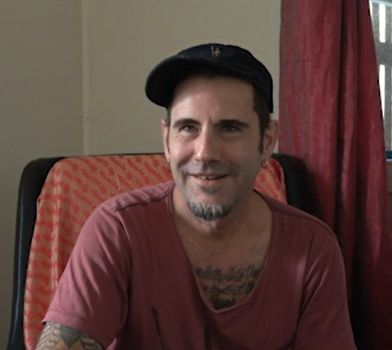 "Interview with Jeremy Hawkes" Jeremy Hawkes is a multidisciplinary artist working in sculpture, drawing, painting and photography as well as being a writer, educator and disability arts leader. Interview Summary Jeremy Hawkes, a visual artist, opened up about his life and identity during his interview. After a debilitating workplace accident, he had to reimagine his sculptural practice due to his acquired disability and ventured into drawing, which helped him cope with multiple operations and diagnoses. Jeremy's art explores themes of identity and the interconnectedness between the macro and the micro, drawing inspiration from neurobiology and medical imagery. Despite his struggles, Jeremy commits to his studio daily, aims for success without fear, and advocates for greater visibility and opportunities for artists with disabilities.
-
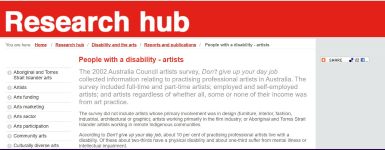 “Australia Council - People with a disability - artists 2003” Sourced from 'Australia Council- Don’t give up your day job: An Economic Study of Professional Artists in Australia' (Throsby and Hollister 2003) based on 2002 Survey - The website reads “The 2002 Australia Council artists survey, Don't give up your day job collected information relating to practising professional artists in Australia…..According to Don't give up your day job, about 10 per cent of practising professional artists live with a disability.”
-
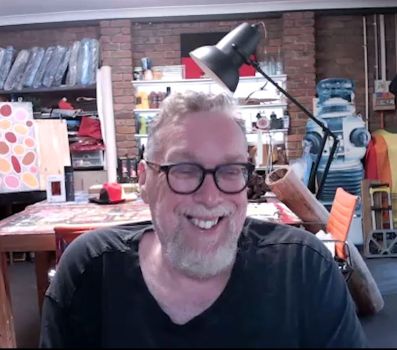 "Interview with Paul Constable Calcott" Uncle Paul Constable Calcott is a proud Wiradjuri man and artist living with a disability on Gubbi Gubbi country….. Uncle Paul uses his art to share stories of his journey as an aboriginal gay man living with a disability in urban Australia. Interview Summary Uncle Paul Calcott is a proud Wiradjuri elder and disability advocate who contracted polio as a child. During the interview, Uncle Paul discusses becoming an artist later in life through the encouragement of his husband and influenced by the storytelling of his culture. He embraces his identity as an Aboriginal, gay man living with disability. He talks about his artwork aiming to celebrate the achievements and contributions of people with disabilities, using traditional symbols to tell new stories, particularly about disability within Indigenous communities. Although there has been increased visibility and acknowledgment of disability arts in Australia, Paul notes that there's still a long way to go in terms of policy, funding, and public recognition. Uncle Paul says art can reflect political and social issues, and he proudly identifies as an artist with a disability and believes in the significance of diverse stories being told through the arts.
-
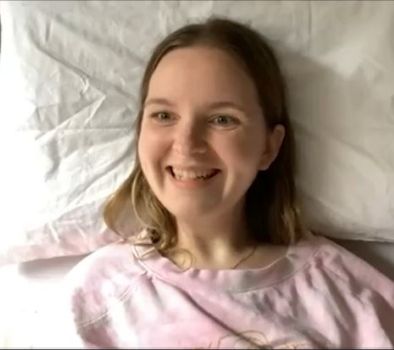 "Interview with Jess Cochran" Jess Cochran (they/them) is an actor, model, writer and disability advocate. Interview Summary: Jess Cochran is a queer, non-binary, neurodivergent, performing artist, advocate, writer, and consumer consultant with a background in both physical and psychosocial disabilities. Their journey into the performing arts began accidentally with a role in the Awards winning Melbourne Fringe Festival production, Qualia, which opened doors to more local and international Awards-winning work in film and stage. Jess identifies proudly with their disabilities and considers their art both a personal expression and a political act aimed at highlighting the issues faced by the disability community. Jess’s work spans across writing, modelling, and various performance arts, and they wish to see an increase of disability arts representation in mainstream media with authentic casting, opportunities and improved accessibility for disabled performers. Jess is also passionate about highlighting intersectionality in disability arts.
-
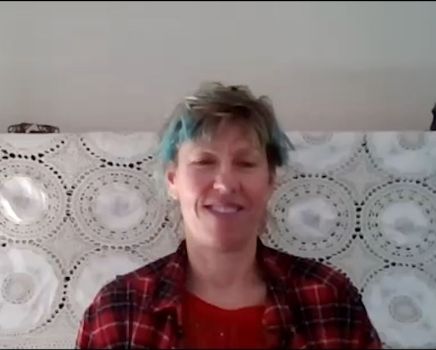 "Interview with Emiko Artemis" Dr Emiko Artemis is a visual artist with a PhD and a history of both solo and group exhibitions. Interview Summary Emiko Artemis identifies as a non-binary queer disabled visual artist. Emiko acknowledges their work essentially reflects their personal experiences with disability and comments on society. Despite interpersonal challenges due to disabilities, Emiko cherishes occasional collaborations, facilitated by clear structures or supportive relationships. Their artwork, often seen as "weird" to the public, aims to be thought-provoking rather than being particularly political. Emiko values the growing visibility of disability in the arts and the increase in acceptance of diversity in society. They proudly embrace their own identity as an integral aspect of their creative practice
-
 "Hot Pink Goanna Studios - Deadly With Disabilities, Website captured 2024" Hot Pink Goanna Studios: Deadly With Disabilities, website captured 2024 - with About, Gallery, Commisions, and Prints sections - reads, in part "Hot Pink Goanna was developed by Uncle Paul Constable Calcott a proud Wiradjuri man and artist living with a disability on Gubbi Gubbi Country. Hot Pink Goanna showcases the works of Uncle Paul and other First Nations artists living with a disability."
-
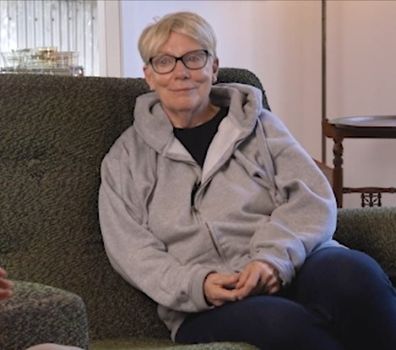 "Interview with Pat Rix" Pat Rix is a Disability Ally and Social Change advocate, and the recently retired Founder and CEO of TUTTI ARTS Incorporated. Interview Summary Pat Rix is an Artistic Director who has made extraordinary and sustained contributions to Australia’s cultural life through her artistic practice and leadership. A significant arts contributor since 1985, Pat made her early mark through plays and music-theatre productions which drew attention to social injustice and championed social inclusion. Her journey in disability arts began in 1997 with the formation of an inclusive choir at Minda Inc. which in 2001 incorporated to become the independent multi arts organisation known as ‘Tutti’ - embodying the inclusive Italian term meaning ‘everyone’. At a time when there were no vocational pathways for learning disabled and neuro divergent people, Tutti became a national trailblazer in creating a work environment where learning disabled and neuro diverse artists could create visual art, theatre, music, film and experimental art in a way that authentically nurtured their professional growth and recognition. Pat stresses the importance of disabled artists having control over their work. She believes that art is inherently political, and that it is finding your voice, being heard and being taken seriously that contributes to any artist's success. Pat looks forward to the future evolution of disability arts and the role of technology in enabling disabled artists to develop local and global partnerships which continue to provide exciting opportunities for artistic development.
-
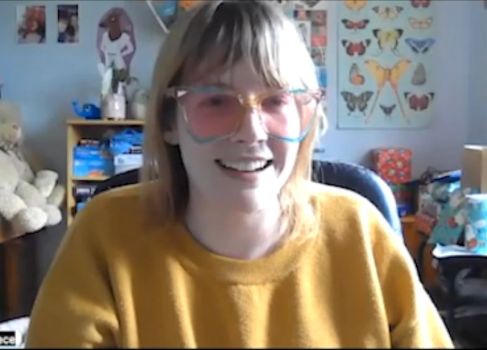 "Interview with Alex Creece" Alex Creece is writer, poet, editor, collage artist, and average kook living on Wadawurrung land. Interview Summary Alex Creece, focused on her experiences and journey as a disabled artist and writer in Australia. Alex discussed the importance of building a community and the challenges of balancing personal identity with maintaining professionalism in art. Alex expressed a desire for increased accessibility and recognition in the industry, highlighting the need for continued support of disabled artists. Throughout the conversation, the complexity of disability arts' visibility, identity politics, and the definition of creative success were explored, with Alex providing insight into her own work as well as broader industry trends and challenges.
-
 “Australia Council - Artists with Disability Program 2014” The website reads “The Artists with Disability Program provides funding for Australian artists with disability (including Deaf artists) to create, develop, present, produce, exhibit and/or tour their work”
-
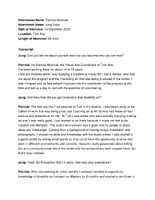 "Interview with Patricia Wozniak" Patricia Wozniak is a neurodivergent visual arts coordinator at Tutti Arts and is a disability arts advocate and ally. Interview Summary Patricia Wozniak, a visual arts coordinator at Tutti Arts with 14-15 years of experience, initially volunteered while studying for her master's and found joy and liberation in making art with the organisation. Tutti Arts has grown from offering two days to five days of visual arts each week and supports artists to enjoy creating, access quality materials, and earn income. While faced with challenges like NDIS funding intricacies and the need for easy-to-understand contracts, Patricia emphasizes the importance of artist-driven practice and equal opportunities. She observes a shift toward digital art and commercial endeavours among artists and asserts the vitality of educating artists about their rights and the political aspect of disability art in cultivating change and expression of identity.
-
 "Accessible Arts - ACE Arts Creativity Expression -1998 Win - Iss2" Accessible Arts - ACE Arts Creativity Expression News Publication issue 2 Winter 1998 - information/reviews of Creative Writing, Music, Dance, Theatre and Performance programs,opportunities, resources, Accessible Arts AGM
-
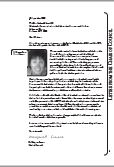 "Australia Council - Annual Report 1997-98" Australia Council Annual Report 1997-98 - discusses letter from chair of council, functions, profile, organisation chart, corporate overview, year in review, arts funding, main activities of Council and its Boards, and includes professional development activities, financial statements and lists of grants made including grants for programs, projects, information and advocacy with producing a set of Disability Fact Packs exploring the importance of accessibility for arts and cultural organisations and a guide to marketing arts to disabled audience
-
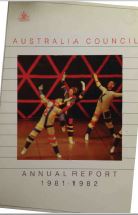 "Australia Council - Annual Report 1981-82" Australia Council Annual Report 1981-82 - discusses objectives, members of council, board members, organisation chart, staff list, council report, programs, board reports, financial statements, publications and grant lists incuding Arts Access Society (Vic) theatre performance of “Theorem” as well as funding for workshops in Artreach, Southern Media Co-operative, disabled playwright in residence, travel costs and artists fees as well as salaries of deaf artists and mime directors and research publication.
-
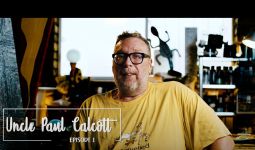 "Hot Pink Goanna Studios - Deadly With Disabilities - Walu Win Series by Uncle Paul Constable Calcott, Episode 1" Walu Win Series by Uncle Paul Constable Calcott, episode 1 - reads, in part "A mini-series exploring the benefits of art and how it is halping as a tool in the healing process. This episode is about Uncle Paul Calcott, a Wiradjuri man who is now living on Gubbi Gubbi country."