Items
Search full-text
Sit Down Shut Up and Watch
-
 "The Other Film Festival Program 2010 - Nerve Ending by Peter Humble (2009)" The Other Film Festival Program 2010 - Nerve Ending by Peter Humble (2009) - reads, in part "What happens when our nerves get the better of us, literally? Michelle Ryan from Dance North takes us on a powerful exploration of resilience"
 -
 "The Other Film Festival Program 2010 - Carbon Whore by Stella Young (2009)" The Other Film Festival Program 2010 - Carbon Whore by Stella Young (2009) - reads, in part "It's so hard to get good help these days! When the cleaner refuses to take an environmentally friendly approach to domestic duties, Eliza takes matters into her own enthusiastic hands."
 -
“Australian Caption Centre opened in 1982” The Australian Caption Centre was opened 13 September, 1982. A tour took place at the Australian Caption Centre in Sydney in the 1990s; the video (now available on YouTube) explains how the Centre worked. In 2005, the Centre sold its commercial operations including the captioning services to Red Bee Media and formed Media Access Australia.
-
“The Deaf Film Society creates the documentary ‘Our World’.” In 1970, the Deaf Film Society created a documentary called ‘Our World’ on the lived experience of people who were d/Deaf. The Adult Deaf Society assisted with the project.
- Australia Council
- Australia Council for the Arts
- Creative Australia
- Bree Hadley
-
 "Australia Council - Annual Report 1997-98" Australia Council Annual Report 1997-98 - discusses letter from chair of council, functions, profile, organisation chart, corporate overview, year in review, arts funding, main activities of Council and its Boards, and includes professional development activities, financial statements and lists of grants made including grants for programs, projects, information and advocacy with producing a set of Disability Fact Packs exploring the importance of accessibility for arts and cultural organisations and a guide to marketing arts to disabled audience
 -
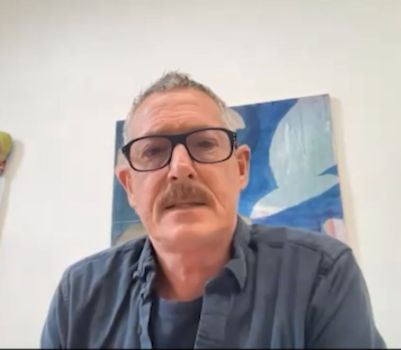 "Interview with David Doyle" David Doyle is the Executive Director of DADAA and has spent over 30 years leading large-scale Community Arts and Cultural Development (CACD) and arts projects globally and in Western Australia, significantly contributing to the arts and disability sectors through his work with DADAA and his dedication to community wellbeing and access to arts and culture. Interview Summary David Doyle, who originally trained in printmaking and ceramics with a background in community arts, has worked extensively in community arts and cultural development with a focus on addressing social issues through the arts. His experience with a disability from a young age and a deep understanding of power dynamics and privilege have influenced his motivation and commitment to disability arts in Australia. David highlights the significance of the Disability Discrimination Act and NDIS in empowering artists with disabilities and notes the uneven distribution of resources for disability arts across Australia. As the leader of an arts organization, he values the transition of power to individual artists with disabilities, stressing the importance of equipping them with the skills and contacts needed to lead and redefine the sector.
 -
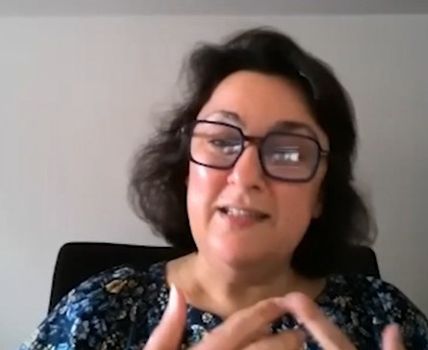 "Interview with Veronica Pardo" Veronica Pardo is a disability arts ally and has been a disability advocate with previous leadership positions in organisations such as Arts Access Victoria and Multicultural Arts Victoria, Interview Summary Veronica Pardo, former Executive Director of Arts Access Victoria, discussed the evolution and impact of Disability Arts in Australia, detailing the political dimensions of the field and the importance of genuine representation and intersectionality. Pardo highlighted the importance of leadership transitions in arts organizations informed by a spirit of solidarity and mutual support, particularly citing Caroline Bowditch's role as significant in the sector. She emphasized a need for systems-level change within the arts to reflect true diversity, beyond tokenism, advocating for dismantling exclusive structures and creating new ones informed by those marginalized. Finally, Pardo stressed the importance of acknowledging the work of predecessors in Disability Arts to honour their legacy and inform current artistic and cultural practices.
 -
 "Interview with Luke Cambpell and Kelly Drummond Cawthon" Luke Campbell is a theatre performer, writer and director and has been with Second Echo since 2015. Interview Summary In the interview Luke Campbell and Kelly Drummond Cawthon from Second Echo Ensemble share insights into their creative processes and the significance of their work. Luke, a core artist for the ensemble, emphasizes the role of deep listening and communication in his art, comparing his work to a meditative exploration of sound and connection, akin to the themes in the movie "Avatar." Kelly, as the ensemble's creative director, highlights the importance of presenting their work across diverse platforms to reach broader audiences and foster inclusive discussions. Throughout the conversation, they express views on the challenges and perceptions surrounding disability arts, advocating for recognition of diverse voices and stories in the arts community.
 -
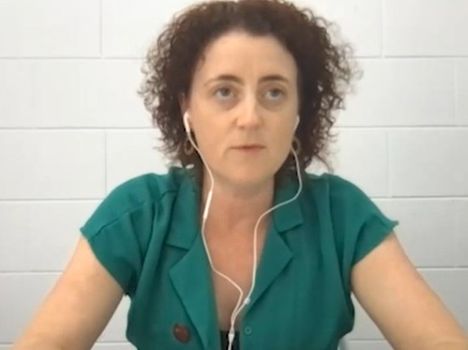 "Interview with Alison Richardson" Alison Richardson is an ally and advocate for people with disability with experience as an inclusive arts organisation artistic director and access and inclusion officer. Interview Summary Alison Richardson, artistic director and CEO of Crossroad Arts at the time of the interview, has had a 25-year journey through the fields of drama, theatre, and inclusive arts, starting in Sydney and leading to her role in Mackay, Queensland. Her work began by engaging with diverse young people and evolved into a focus on disability arts, recognising a gap in services and opportunities for people with disabilities in artistic expression. Throughout her career, she has witnessed and contributed to the gradual increase in visibility and opportunities for artists with disabilities, acknowledging the fluctuating support and funding in the sector. Despite challenges, Alison has observed progress in how disability arts are valued and the emergence of conversations around identity and representation within this community.
 -
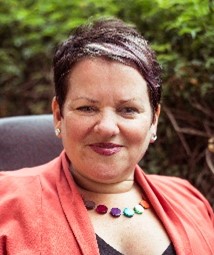 "Interview with Caroline Bowditch" Caroline Bowditch is an Australian artistic director, leader, performer, presenter, instructor, disability advocate and was the CEO of Arts Access Victoria. Interview Summary Caroline Bowditch, the CEO and Artistic Director of Arts Access Victoria, shared her journey as a performance artist and her experiences working within the Disability Arts community, highlighting her creative process and the challenges faced by disabled artists in Australia. Despite significant support and successful projects in the UK, she expressed concern over the limited progression and exposure of Disability Arts in Australia, noting a lack of ambition and opportunity deterring artists from aiming for larger, mainstream stages. Bowditch emphasized the importance of integrating access as a core component of artistic work and changing the aesthetic by including diverse bodies and perspectives. She also discussed tackling intersectionality within Disability Arts, reflecting on her own experiences as a visibly disabled and queer woman, and contemplating the future of Disability Arts, the desire for cultural equity, and the impact of potential shifts in societal barriers.
 -
"Bree Hadley (2019) Advocacy, allies, and 'allies of convenience' in performance and performative protest. In Grehan, H (Ed.) The Routledge companion to theatre and politics (Routledge Theatre and Performance Companions). Routledge, United Kingdom, pp. 85-88.” "Though allies have always played a role in the production of political performance, analysis of the work of disabled artists, women artists, queer artists, and artists of colour has yet to be combined with analysis of the work of allies addressing the same issues. In this chapter, I consider the practice of allies in a specific context, social media performance, as a newly emerging platform for political activism. After tracing the way allies are typically involved in political performance about, with, and by marginalised people and communities, I point to complexities arising when activists, campaigners, entertainers, and pranksters use new online platforms in performance that purport to support the same cause.
-
”Bree Hadley, Donna McDonnald (Eds.) (2019) The Routledge Handbook of Disability Arts, Culture, and Media. Routledge International Handbooks. Routledge, London; New York.” “In the last 30 years, a distinctive intersection between disability studies – including disability rights advocacy, disability rights activism, and disability law – and disability arts, culture, and media studies has developed. The two fields have worked in tandem to offer critique of representations of disability in dominant cultural systems, institutions, discourses, and architecture, and develop provocative new representations of what it means to be disabled. Divided into 5 sections:- Disability, Identity, and Representation; Inclusion, Wellbeing, and Whole-of-life Experience; Access, Artistry, and Audiences; Practices, Politics and the Public Sphere; Activism, Adaptation, and Alternative Futures - this handbook brings disability arts, disability culture, and disability media studies – traditionally treated separately in publications in the field to date – together for the first time.”
-
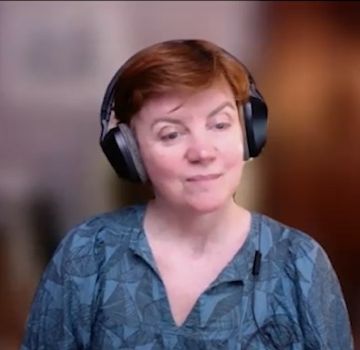 "Interview with Sofya Gollan" Sofya Gollan is a distinguished artist, screenwriter, filmmaker and cultural leader in advocating for the Deaf and disabled communities. Interview Summary Sofya Gollan is a versatile and experienced artist with a background in acting, writing, directing, and producing, known for her work in theatre, film, and television, and for navigating the industry as a deaf individual. Her journey into the arts began with her involvement in the Australian Theatre of the Deaf and further developed as she trained at prestigious institutions like NIDA and AFTRS, where she expanded her skills in filmmaking. Despite facing challenges and ableism within the industry, Gollan has made significant contributions to disability representation on screen, and highlights the need for ongoing support and funding for disabled artists to promote equity and access to opportunities. Returning as creative practitioner to the industry after an executive role, Gollan continues to advocate for inclusivity and representation, while aiming to create and share content that authentically reflects the deaf experience.
 -
“Research project ‘Disability and the Performing Arts in Australia: The Last Avant Garde’ investigates the creative and aesthetic strategies of the Australian disability arts sector” A research project beginning in 2016, ‘Disability and the Performing Arts in Australia: The Last Avant Garde,’ investigated the creative and aesthetic strategies of the Australian disability arts sector. The project sought to map “disability arts practice across the nation” by examining “the role of artistic experimentation,” “co-design[ing] accessible strategies,” and raising “critical recognition, employment and funding opportunities for artists.” The project team describes themselves as a collective “of deaf and disabled and non-disabled researcher artists, performers, writers, arts managers and theatre makers.” The work was the result of a collaboration between Arts Access Victoria, University of Melbourne, and University of Sydney. The Australia Research Council provided funding for the research.
-
”Hadley, Bree, Paterson, Eddie, & Little, Madeleine (2022) Quick Trust and Slow Time: Relational Innovations in Disability Performing Arts Practice. International Journal of Disability and Social Justice, 2(1), pp. 74-94.” "Despite a range of policies, plans, protocols and funding programmes to support disabled artists and collaborations between mainstream producers and disabled artists, the statistics – at least in our context in Australia – suggest most disability art still occurs outside and alongside an industry that struggles to include these artists. In this article, we draw upon findings from a series of workshops with disabled artists around Australia, conducted as part of the ARC funded Disability in the Performing Arts in Australia: Beyond The Social Model project – known colloquially to its collaborators and participants as ‘The Last Avant Garde’ project (https://lastavantgarde.com.au) – to propose a new approach. We find that while provision of logistical access (ramps, hearing loops, interpreters) and ideological access (stories, characters, discourse and language) is critical, so is methodological access, which embodies disability culture in training, rehearsal and production processes. Disabled artists use crip culture, along with relational space and time to negotiate what happens in disability arts and culture production practices and work through desire, fear, vulnerability and reciprocity to rapidly establish trusting collaborations."
-
"Morwenna Collett, Gill Nicol (2024) Building Strong Foundations: Research on arts and disability needs and opportunities, Creative Australia, 2024." "This report is a summary of an arts and disability needs and audit conducted in 2023 for Creative Australia. Through desktop research and consultation with d/Deaf and disabled artists and creative workers, peak bodies and broader arts and cultural organisations, this research provides insights into needs and opportunities in the arts and disability ecology in Australia."
-
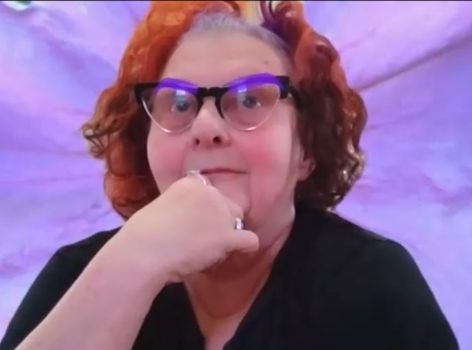 "Interview with Kath Duncan" Kath Duncan is a writer, a director, a provocateur, a visual artist, a comedian, a producer, a journalist, a radio broadcaster and disability advocate. Interview Summary Kath Duncan is an experienced and prominent figure in the disability arts community with a passion for experimental performance arts, having witnessed the beginnings of the disability arts movement in Australia and participated in its evolution. Her art is inherently political, shaped by her unique perspective as a congenital amputee. Kath firmly believes in the inherent creative revolutions and endless inspiration within all impairments. Kath highlights the ongoing struggles within the disability arts sector, including high unemployment rates for disabled individuals, systemic barriers, and the need for disabled leadership in arts organizations. While cherishing the milestones and transformative experiences she's had, Kath calls for significant systemic changes, emphasizing the importance of team playing and collective work to support and grow the disabled artist community.
 -
"Bree Hadley (2014) Disability, Public Space Performance, and Spectatorship: Unconscious Performers. London: Palgrave Macmillan." "Why would disabled people want to re-engage, re-enact and re-envisage the everyday encounters in public spaces and places that cast them as ugly, strange, stare-worthy? In Disability, Public Space Performance and Spectatorship: Unconscious Performers, Bree Hadley examines the performance practices of disabled artists in the US, UK, Europe and Australasia who do exactly this. Operating in a live or performance art paradigm, artists like James Cunningham (Australia), Noemi Lakmaier (UK/Austria), Alison Jones (UK), Aaron Williamson (UK), Katherine Araniello (UK), Bill Shannon (US), Back to Back Theatre (Australia), Rita Marcalo (UK), Liz Crow (UK) and Mat Fraser (UK) all use installation and public space performance practices to re-stage their disabled identities in risky, guerilla-style works that remind passersby of their own complicity in the daily social drama of disability. In doing so, they draw spectators' attention to their own role in constructing Western concepts of disability. This book investigates the way each of us can become unconscious performers in a daily social drama that positions disability people as figures of tragedy, stigma or pity, and the aesthetics, politics and ethics of performance practices that intervene very directly in this drama. It constructs a framework for understanding the way spectators are positioned in these practices, and how they contribute to public sphere debates about disability today."
-
"Janice Rieger and Megan Strickfaden(2019) “Dis/ordered assemblages of disability in museums.” In The Routledge Handbook of Disability Art, Culture, and Media, edited by Bree Hadley and Donna McDonald, 48–61. London & New York: Routledge." "Museums are spaces of power and care. They are institutions that present assemblages (Deleuze & Guattari 2002), which are reconstructions and representations of history and societal values, and thus are partial realities that curate human existence. These assemblages cannot ever represent the totality of human existence because it is never possible to do so, and yet these assemblages are embedded with power because choices are made about what ought or ought not be represented within museums (Ott 2013; Bennet 2017). The nature of partial realities is that, at their centre, these are still representations that tell stories of what one would imagine to be the most significant events related to a place (nation, city), with a particular focus on a societal event or issue (war, art, sports, nature, human rights, etc.) and peoples (e.g. immigrants, migrants, First Nations or Indigenous peoples, etc.). Persons attending museums rely on the expertise of historians, curators, archivists, conservators, and exhibition designers to present materials within the museum that focus upon and represent societal values. Most museum visitors are not aware of the power that museums hold, although more and more museum visitors push against narratives which they do not feel to be adequate representations of the places, events, issues, and peoples of society (Hooper-Greenhill 1992, 2000; Anderson 2004; Janes 2009, 2010). Where there is power, there is also care. Historians, curators, archivists, conservators, and exhibition designers take great care in how they assemble materials within museums."
-
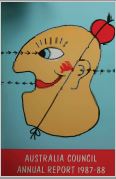 "Australia Council - Annual Report 1987-88" Australia Council Annual Report 1987-88- discusses functions and objectives, structures, process and membership of Council, Council Committees and members, board members, assessment panels, staff lists, organisation chart, main activities of Council and its eight Boards, and how council endorsed a code of practice for arts organisations working with people with disabilities, equal employment opportunities and includes financial statements and lists of grants made including grants for programs, projects, performances and promotion and reading for Royal Blind Society and Brail and Talking Book Library
 -
 "Interview with Patricia Wozniak" Patricia Wozniak is a neurodivergent visual arts coordinator at Tutti Arts and is a disability arts advocate and ally. Interview Summary Patricia Wozniak, a visual arts coordinator at Tutti Arts with 14-15 years of experience, initially volunteered while studying for her master's and found joy and liberation in making art with the organisation. Tutti Arts has grown from offering two days to five days of visual arts each week and supports artists to enjoy creating, access quality materials, and earn income. While faced with challenges like NDIS funding intricacies and the need for easy-to-understand contracts, Patricia emphasizes the importance of artist-driven practice and equal opportunities. She observes a shift toward digital art and commercial endeavours among artists and asserts the vitality of educating artists about their rights and the political aspect of disability art in cultivating change and expression of identity.